







































In the formal language of post-Brexit diplomacy, it was described as an agreement on “structured bilateral dialogue.” In the practical language of domestic politics, it was the most sensitive concession a British prime minister has dared to make across the English Channel in six years.
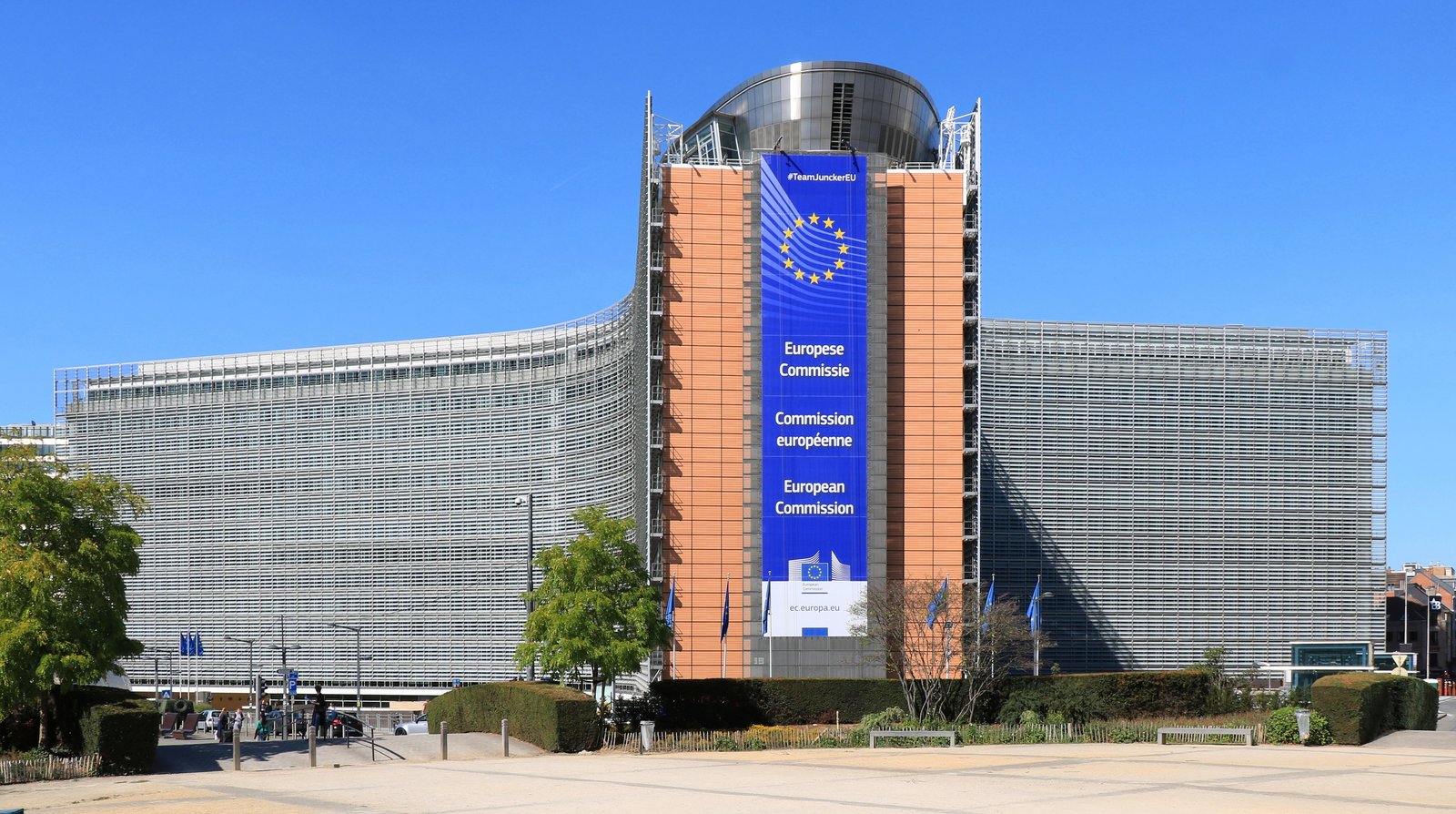
Meeting with senior European Commission officials in Brussels on Thursday, Prime Minister Keir Starmer finalized the framework for an agreement designed to ease the deep administrative freeze that has characterized cross-Channel relations since Britain’s formal departure from the European Union in 2020. At the heart of the breakthrough is a youth mobility scheme: a reciprocal arrangement permitting citizens between the ages of 18 and 30 to live, study, and work on either side of the border for up to two years without employer sponsorship or traditional visa restrictions.
Diplomatic Thaw vs. Domestic Red Lines
The package extends beyond young travelers. Negotiators also hammered out initial protocols to reduce burdensome phytosanitary red tape on agricultural exports, streamline cross-border touring rules for creative artists, and establish a permanent security and defense consultation pact.
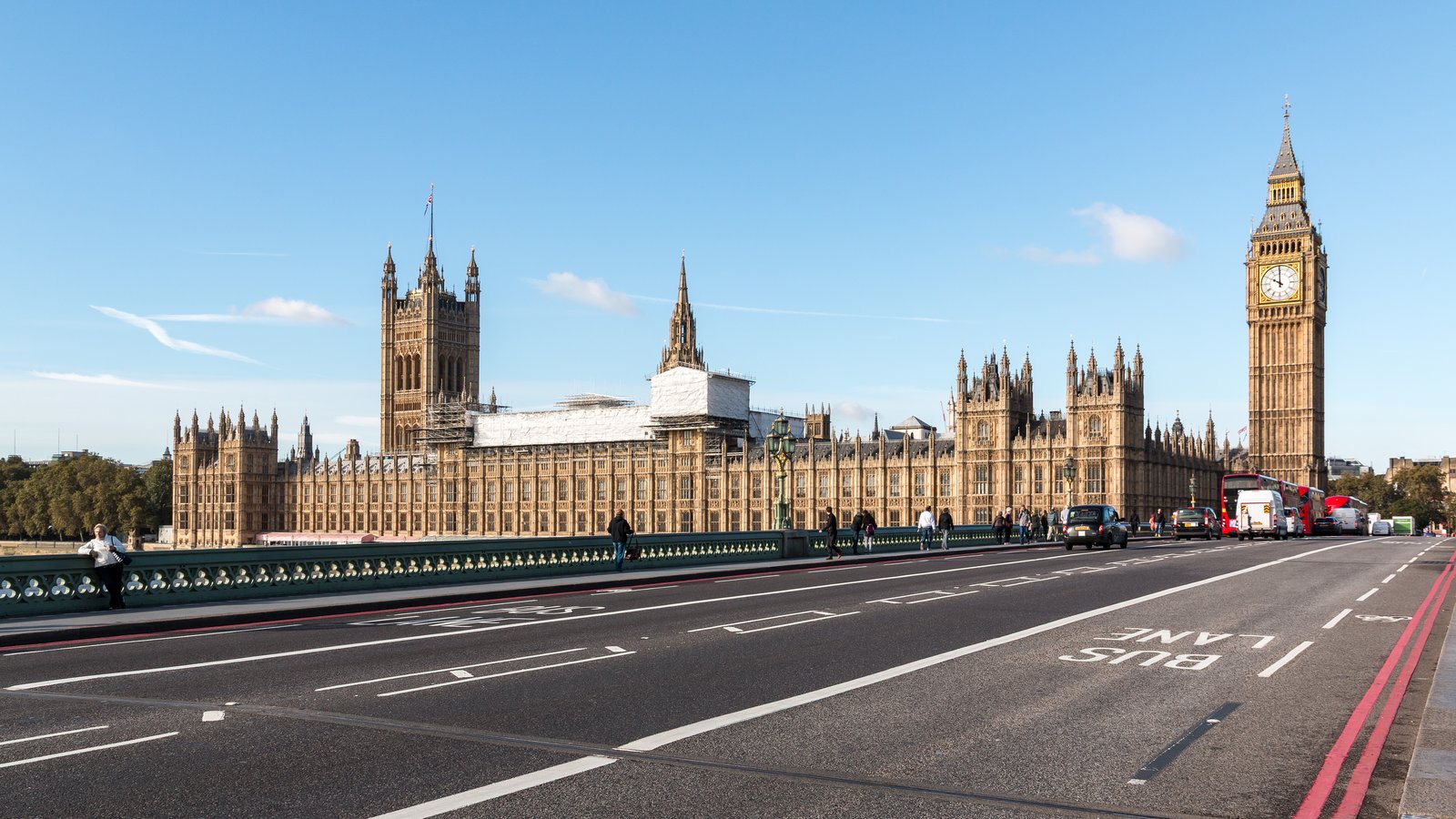
Yet even before the ink was dry on the joint communiqués, Starmer hurried back to London to erect a rhetorical wall. Standing at the dispatch box in a tense House of Commons on Friday, the prime minister delivered a blunt preemptive defense aimed directly at his domestic critics.
“There will be no return to the European Single Market. There will be no return to the Customs Union. And there will be no return to the freedom of movement.”
Prime Minister Keir Starmer to the House of Commons
That delicate linguistic tightrope encapsulates the existential dilemma defining Starmer’s European policy. For four years, British business groups, universities, and service industries have struggled under the weight of Boris Johnson’s 2020 Trade and Cooperation Agreement (TCA). The hard borders established by that treaty severed supply chains, starved hospitality and agricultural sectors of seasonal labor, and decimated the international recruitment revenues of British higher education institutions.
Gross domestic product growth in the United Kingdom has remained sluggish, weighed down by persistent non-tariff trade barriers that added billions in compliance paperwork for British exporters. Starmer campaigned on a promise to repair those fractures, arguing that a pragmatic Labour administration could negotiate a “better deal” without reopening the constitutional trauma of the 2016 referendum.
Brussels Leverages Reciprocal Social Access
Brussels, however, had long made it clear that cherry-picking economic benefits was impossible. European negotiators, led by Commission President Ursula von der Leyen, maintained that closer cooperation in defense, technology, and carbon market linkage required reciprocal social concessions. Top of the European Commission’s priority list was youth mobility.
European capitals viewed the sudden disenfranchisement of a whole generation of young Europeans (who previously enjoyed the right to spend a gap year in London, study at Oxford, or work in a tech startup in Manchester) as an unnecessary casualty of Brexit. By conditioning wider regulatory cooperation on a youth exchange mechanism, the European Union forced Starmer to choose between ideological purity and practical economic relief.
The resulting compromise is a masterclass in bureaucratic hedging. Unlike the pre-2016 era of unqualified freedom of movement, which granted any EU citizen the permanent right to settle, work, and claim public welfare benefits in the United Kingdom, the new youth scheme is strictly time-limited and capped by annual quotas. Participants will receive temporary two-year visas with no automatic pathway to permanent residency or citizenship. They will be barred from accessing non-contributory welfare benefits, and their stays will require upfront health surcharges and proof of self-sufficiency.
Higher Education Lifelines and Domestic Populist Backlash
For Britain’s beleaguered university sector, the deal offers a modest lifeline. Since Brexit, European student enrollment at British universities has plummeted by more than 50%, following the elimination of home-fee status and the suspension of the Erasmus+ educational exchange program. Allowing young Europeans to study under streamlined visa rules could stabilize bleeding university balance sheets, particularly in regional economies where higher education institutions are major local employers. Similarly, London’s battered hospitality and nightlife sectors, which have operated with chronic staffing vacancies since freedom of movement ended, anticipate immediate relief.
Yet inside the House of Commons, the political temperature rose instantly. The Conservative opposition and Nigel Farage’s insurgent Reform UK party wasted no time framing the youth mobility scheme as a clandestine betrayal of the Brexit mandate. Right-wing commentators and tabloid front pages immediately branded the pact as “free movement through the back door,” alleging that the government is laying the legal groundwork for eventual regulatory re-alignment with Brussels.
Farage warned in radio interviews that young Europeans would flood into entry-level service jobs, suppressing domestic wage growth and exacerbating Britain’s chronic housing shortage in metropolitan centers.
Red Wall Coalitions and the Limits of Re-alignment
Starmer’s political vulnerability on this front is acute. Labour’s parliamentary majority rests on fragile electoral coalitions in post-industrial “Red Wall” constituencies across northern England and the Midlands, communities that voted overwhelmingly for Leave in 2016 and remain hyper-sensitive to any perception of rising immigration.
While public opinion polls consistently show that a majority of the British electorate now views Brexit as an economic mistake, that buyer’s remorse has not translated into enthusiasm for renewed open borders. The government’s political strategists know that if voters perceive Starmer as quietly reversing the border controls promised by successive Tory prime ministers, the electoral backlash from populist conservatives could prove devastating.
What to watch next: The finalization of bilateral quota numbers, the formal ratification timeline in both the European Parliament and Westminster, and whether the European Union leverages the youth agreement to demand further concessions during the comprehensive 2026 review of the Trade and Cooperation Agreement. Keir Starmer has taken his first tangible step toward European rapprochement. The harder battle will be convincing a divided nation that opening a window does not mean taking down the front door.