





























For more than a decade, the most scrutinized arithmetic in Hollywood has been the countdown to ten. Ever since Quentin Tarantino announced his solemn vow to retire from directing feature films after completing a round decade of cinema titles (a vow that left only one final project remaining after 2019’s Once Upon a Time in Hollywood), the film industry has lived in dread of the curtain coming down. Earlier this year, when the auteur abruptly abandoned The Movie Critic after writing multiple drafts, industry watchers assumed the search for his cinematic swan song would stall indefinitely.
Instead, Tarantino has executed a theatrical flank maneuver that is as audacious as it is commercially cunning.
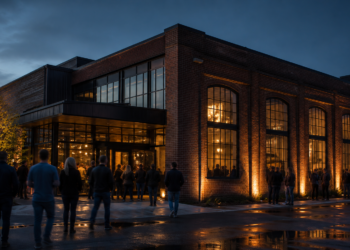
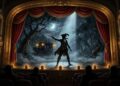
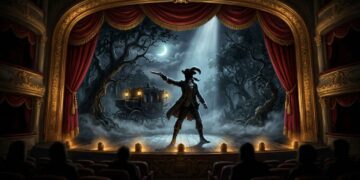
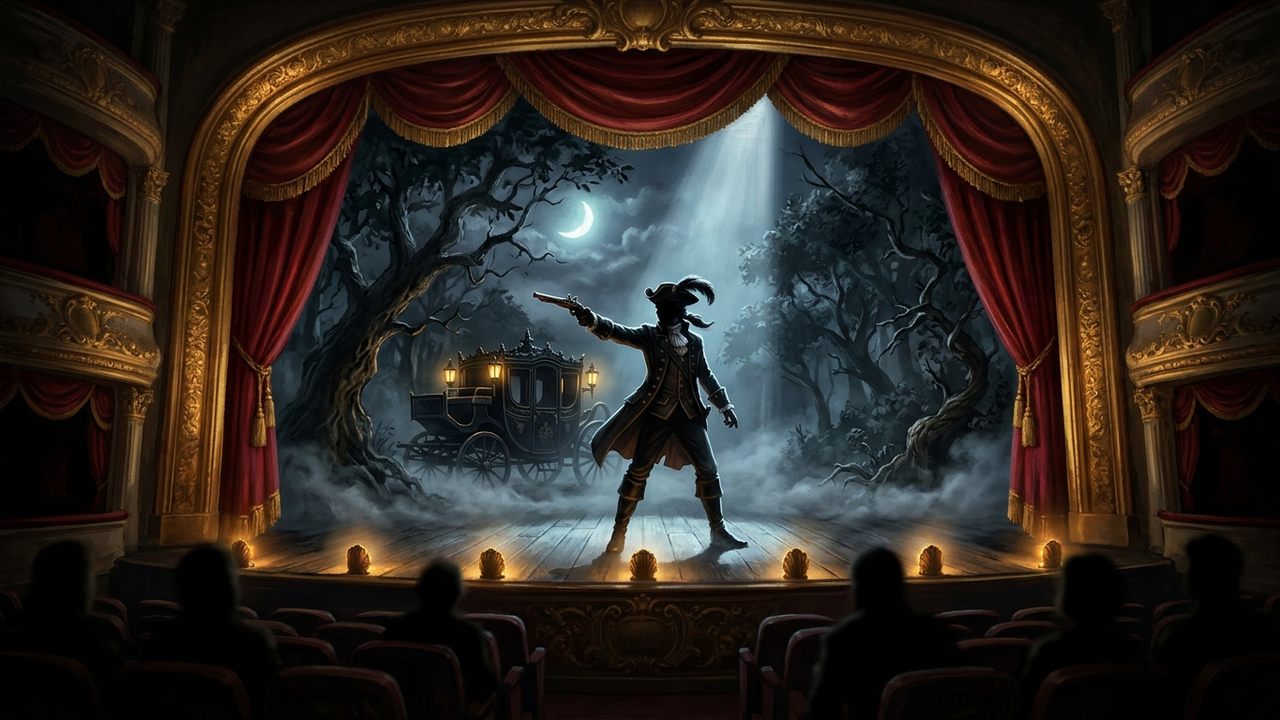
On Thursday morning, the Ambassador Theatre Group (ATG) revealed the complete cast for Tarantino’s original British stage debut, The Popinjay Cavalier. Set in the rain-soaked coaching inns and windswept heaths of 1780s England, the period comedy follows a vain, flamboyant highwayman whose aristocratic affectations repeatedly derail his violent stagecoach robberies.
An All-Star Cast and Immediate Box-Office Meltdown
To bring this eccentric outlaw to life, Tarantino cast Sacha Baron Cohen, whose mastery of physical satire, linguistic absurdity, and high-wire comic improvisation represents an inspired, volatile match for Tarantino’s rhythmic, profanity-laced prose. Anchoring the ensemble are British stage and screen stalwarts Simon Pegg, playing a long-suffering magistrate whose career is undone by bureaucratic incompetence, and Indira Varma, portraying a razor-sharp aristocratic fence managing the stolen contraband.
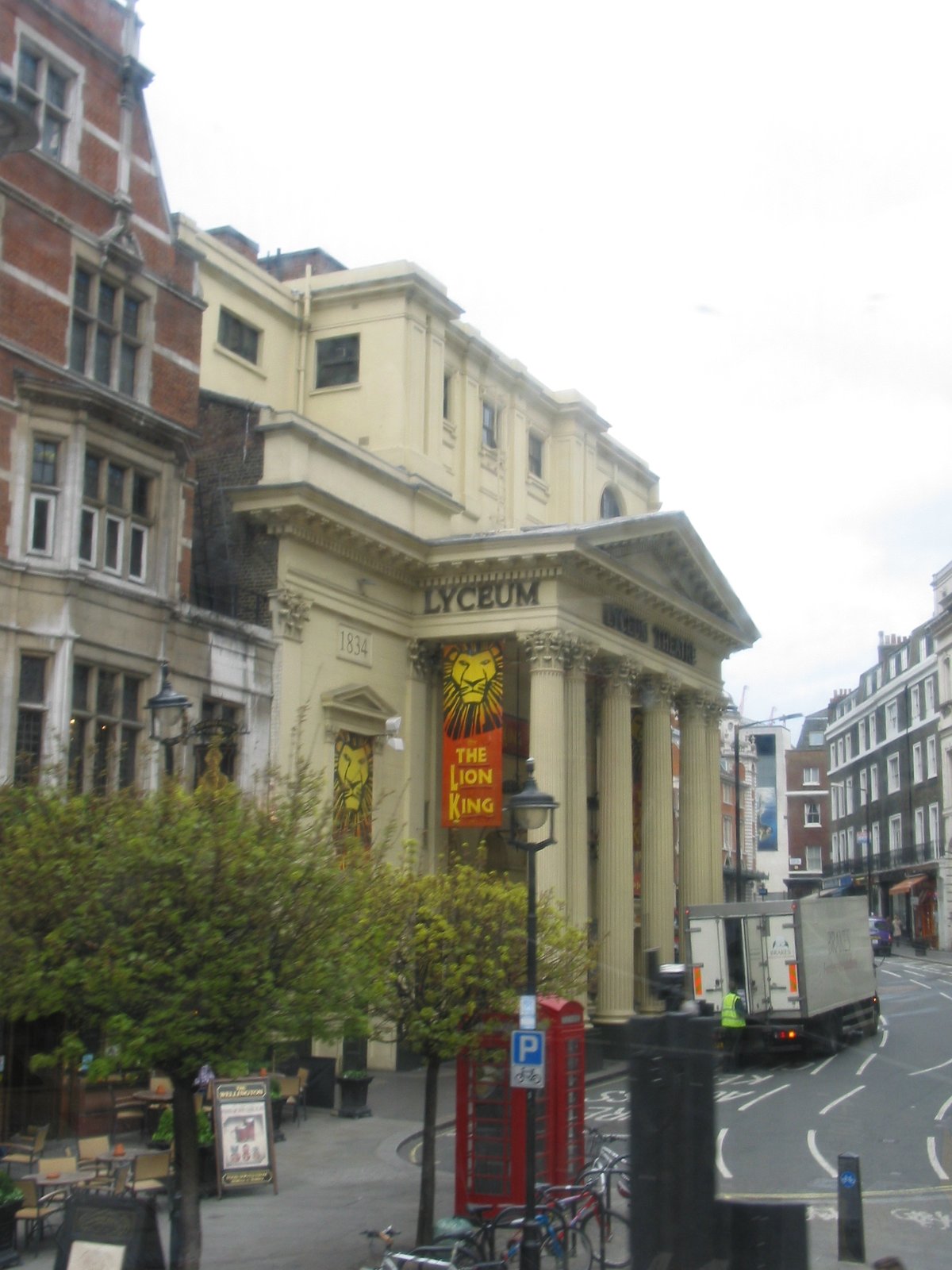
The commercial reception was instantaneous, bordering on delirium. When ATG opened advance ticket sales for the initial three-month engagement at the historic Lyceum Theatre, the ticketing portal experienced catastrophic queue collapses. Within three hours, every single seat across the opening twelve weeks was claimed, commanding secondary market resale prices topping £1,200.
“Removing cameras, cranes, and digital post-production strips Tarantino’s craft down to its rawest, most electrifying components: actors, language, timing, and an audience breathing the same air just twenty feet away.”
West End Production Analysis
Confronted with unprecedented demand, ATG and commercial producer Sonia Friedman Productions took the extraordinary step of announcing an immediate eight-week extension through late 2027. The production was lengthened before the cast had gathered for their first table read, and before a single costume had been fitted.
Circumventing the Ten-Film Retirement Pledge
Yet beyond the box-office hysteria, The Popinjay Cavalier represents something far more profound: a masterclass in artistic loophole exploitation. By choosing the stage rather than the soundstage, Tarantino has discovered the perfect vehicle to continue working at the peak of his powers without violating his sacred retirement pledge. A theatrical production does not count toward the ten-film canon. It carries no international box-office opening weekend tracking figures, requires no compromise with algorithmic streaming executives, and frees him from the suffocating corporate IP churn that has colonized contemporary Hollywood.
In many respects, the theater is Tarantino’s natural spiritual habitat. Despite his legendary visual homages to spaghetti westerns, blaxploitation reels, and martial arts cinema, Tarantino’s core genius has always been theatrical. His finest sequences (the suffocating twenty-minute opening cellar interrogation in Inglourious Basterds, the claustrophobic cabin confrontations of The Hateful Eight, and the dialogue volleys of Reservoir Dogs) are essentially extended one-act plays driven by pacing, dramatic irony, subtext, and monologues.
Removing cameras, cranes, and digital post-production suites strips Tarantino’s craft down to its rawest, most electrifying components: actors, language, timing, and an audience breathing the same air just twenty feet away.
A Collision of Satirical Improvisation and Rigorous Text
The West End provides the ideal canvas for this experiment. London’s theater district possesses a centuries-old tradition of welcoming Hollywood heavyweights seeking artistic redemption or creative reinvention, but Tarantino’s arrival carries none of the tentative vanity that typically marks American movie stars attempting Shakespeare.
By writing an original full-length play tailored specifically to British historical absurdity, he avoids the trap of derivative stage adaptations. The eighteenth-century setting allows him to indulge his obsession with archaic dialects, historical grievance, and bloody, farcical violence, filtered through the irreverent energy of eighteenth-century picaresque literature.
The dynamic between Tarantino and Sacha Baron Cohen is already being analyzed by theater critics as a high-stakes cultural collision. Baron Cohen made his reputation by dismantling polite social conventions through guerilla performance art, pushing unwitting targets into moments of excruciating self-revelation.
Placing that unpredictable comedic genius inside the rigorous, hyper-metered confines of a Tarantino script will test both artists. Tarantino demands absolute, syllable-by-syllable fidelity to his written dialogue; Baron Cohen thrives on the edge of conversational anarchy and physical disruption. If the two find a shared equilibrium, Cohen’s aristocratic popinjay could establish a memorable new archetype in contemporary stage comedy, blending the broad slapstick of British pantomime with the vicious wit of Restoration theater.
The Legacy of Highwayman Romanticism on the London Stage
Furthermore, Simon Pegg’s presence provides essential tonal balance. Having transitioned from British television cult stardom to major studio franchises, Pegg understands both the grounded timing of British domestic farce and the larger-than-life scale demanded by international audiences. His role as the harried magistrate attempting to impose Enlightenment-era legal order upon Cohen’s anarchic bandit provides the ideological spine of the play. Paired with Indira Varma’s formidable classical training at the Royal National Theatre and Royal Shakespeare Company, the cast possesses enough technical pedigree to ensure the production does not degenerate into a Hollywood celebrity novelty act.
The West End setting also revives a distinctly British tradition of highwayman romanticism that stretches back to John Gay’s 1728 masterpiece The Beggar’s Opera. Just as Gay used the criminal underworld of Newgate Prison to satirize the corrupt Whig government of Robert Walpole, Tarantino appears primed to use 18th-century highway robbery to dissect modern notions of celebrity, vanity, and the theatrics of public crime. On stage, where an actor cannot be rescued by digital editing or close-up lens manipulation, Tarantino’s characters will have to live or die entirely on the strength of their verbal combat.
The broader implications for modern cinema are bittersweet. Tarantino’s detour into theater illustrates how inhospitable contemporary American cinema has become for ambitious, mid-budget, character-driven adult stories. When the world’s most celebrated living auteur prefers to mount an eighteenth-century farce in a Victorian theater in London rather than negotiate the studio politics of Los Angeles, it offers a damning indictment of Hollywood’s franchise fixation. The movies may still get their tenth Tarantino film eventually, but London has stolen his attention.
What to watch next: How rehearsals progress at the Lyceum ahead of the spring preview window, whether the production’s roaring commercial success tempts Tarantino to mount a Broadway transfer in New York, and whether other legacy filmmakers (frustrated by streaming algorithms and studio bureaucracy) follow his footprints across the Atlantic to the West End stage. The cinema will have to wait its turn. Quentin Tarantino has found a stage that doesn’t care about his retirement clock.