







































It was designed as a sober, Nordic-style exercise in civil resilience. When the UK Cabinet Office published its “Be Ready” public safety handbook on Tuesday morning, officials inside Whitehall believed they were delivering a sensible, low-key advisory tailored for an increasingly volatile world. The guidance urged British households to compile a modest 72-hour emergency kit (tinned food, bottled water, battery-powered radios, and flashlights) to withstand potential cyber-attacks on power grids, severe winter weather, or infrastructure outages.
What the government failed to anticipate was the visceral psychological baggage of the British consumer. Within forty-eight hours of the campaign’s launch, the measured language of civil preparedness collided head-on with human anxiety.
The 1.8% Sales Shock Across Ambient Grocery Aisles
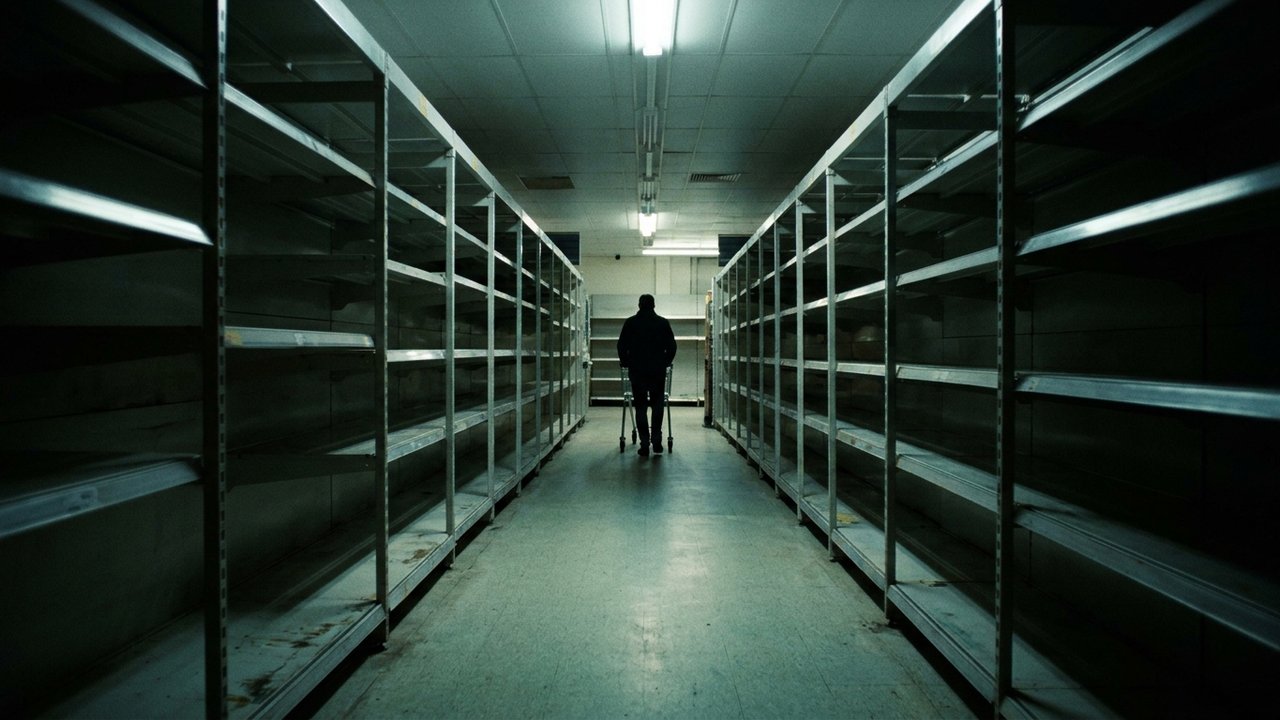
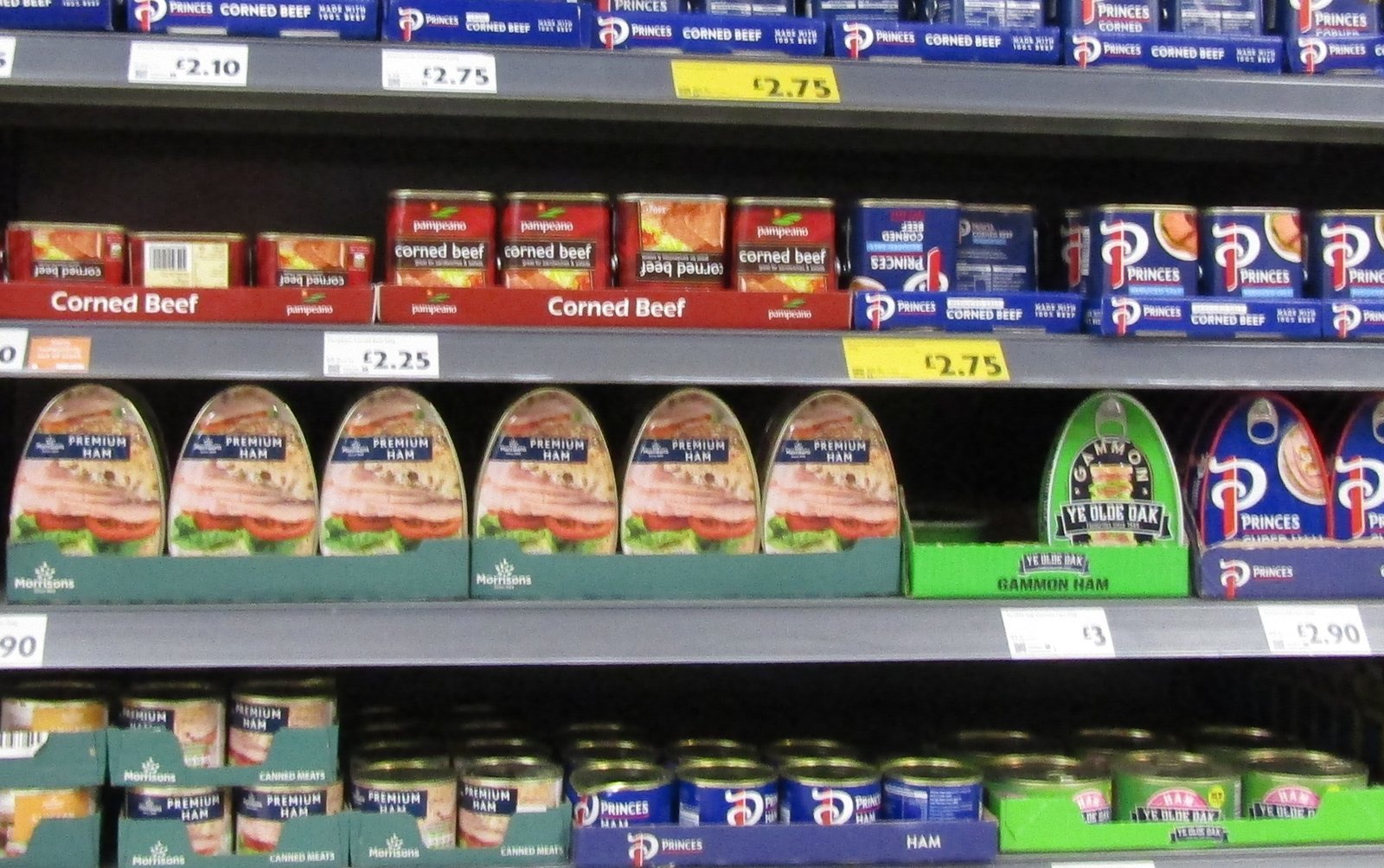
Across major supermarket chains including Tesco, Sainsbury’s, Asda, and Morrisons, shoppers stripped ambient grocery aisles bare. Displays of tinned baked beans, canned tuna, long-life UHT milk, dried pasta, and five-liter water jugs vanished from shelves in London, Birmingham, and Manchester.
The scale of the run was not merely anecdotal chatter on social media feeds; it registered as a macroeconomic tremor. In its latest retail bulletin released on Friday, the Office for National Statistics (ONS) recorded an anomalous 1.8% month-on-month jump in national supermarket sales, an extraordinary spike driven almost exclusively by transactions in non-perishable food categories.
“In behavioral economics, a warning to prepare for a crisis functions identically to an announcement that a crisis has already arrived. The fear of being left behind overrides logic.”
Retail Behavioral Analysis
The British Retail Consortium (BRC) and senior grocery executives moved quickly to quell the hysteria, issuing urgent public statements assuring the country that food supply chains were entirely robust and that there was no risk of genuine shortages. Yet the appeals did little to stem the hoarding. In behavioral economics, a warning to prepare for a crisis functions identically to an announcement that a crisis has already arrived.
When a shopper walks into a supermarket and notices three adjacent customers loading multiple crates of tinned tomatoes into their trolleys, rational calculus dissolves. The fear of being left behind overrides logic, transforming a calm civil defense advisory into an immediate, self-fulfilling panic run. Social media platforms accelerated the contagion. Within hours of the handbook’s release, viral videos on TikTok and neighborhood WhatsApp groups began circulating images of stripped shelves under alarmist headlines, triggering secondary waves of defensive purchasing from shoppers who had initially ignored the government’s announcement.
Pandemic Flashbacks and the Memory of 19% Food Inflation
This sudden run on tinned goods reveals the profound psychological scar tissue lingering across British society. Six years after the onset of the COVID-19 pandemic, the collective memory of empty supermarket shelves, rationed toilet paper, and fistfights in grocery aisles remains raw and unhealed.
That trauma was compounded over the subsequent three years by the worst cost-of-living squeeze in modern British history, which saw food inflation surge past 19% and forced millions of households to monitor every single penny spent on staple provisions. Having lived through genuine, protracted scarcity, British shoppers have developed a hair-trigger reflex: when the state tells them trouble might be coming, they do not wait for clarification; they head straight for the canned goods aisle.
The Flaws of Just-In-Time Supply Chains
The episode also highlights a fundamental structural disconnect in how modern just-in-time logistics operate. The contemporary British supermarket model is a marvel of algorithmic efficiency, calibrated to minimize holding costs by keeping inventory in motion rather than sitting in distribution warehouses. Supermarket supply chains are built on predictive demand models that anticipate predictable weekly consumption patterns.
They can easily accommodate seasonal spikes for Christmas turkeys or summer barbecue charcoal, but they possess virtually zero slack to absorb a sudden, synchronized national demand shock for heavy, space-consuming ambient staples like canned soup and bottled water. Distribution centers operate with tight pallet schedules and limited fleet capacity. When thousands of stores simultaneously request emergency replenishment for heavy tinned cargo, haulage networks clog, creating localized delays that stretch across several delivery cycles. A localized run by just ten percent of a neighborhood’s population can deplete a store’s ambient inventory in a matter of hours, creating visually jarring empty shelves that photograph well for social media and further amplify public panic.
Risk Communication and the Preparedness Divide
The episode represents an instructive case study in the perils of government risk communication. In Sweden, Finland, and Norway, where comprehensive civil defense manuals have been mailed to households for decades under the doctrine of “Total Defense,” citizens receive emergency preparedness advice with calm familiarity. In Scandinavia, keeping a 72-hour survival kit in the basement is treated as a routine civic habit, akin to checking smoke detector batteries.
In Britain, by contrast, where decades of peace, deregulation, and cheap globalized supply chains conditioned the public to treat grocery distribution as an invisible, infallible utility, the sudden arrival of an official civil defense brochure carried the terrifying cadence of an air-raid siren. By failing to prepare the cultural ground before launching “Be Ready,” Whitehall unintentionally manufactured the very panic it hoped to prevent.
Furthermore, the surge in stockpiling exposes deep socio-economic inequalities across the country. Accumulating a three-day stockpile of food, bottled water, battery banks, and first-aid supplies requires upfront disposable capital and dry storage space. For middle-class homeowners with garages, pantries, and spare credit card limits, stocking up is an afternoon chore.
For lower-income families living pay-to-pay in cramped rented flats, the government’s advice read less like a helpful guide and more like an impossible luxury. Food banks across northern England reported an immediate slump in donations, as middle-income donors redirected their surplus spending toward their own household emergency cupboards.
What to watch next: How the Cabinet Office modifies its public messaging as the “Be Ready” campaign expands, whether major supermarkets introduce temporary purchasing limits on canned goods and bottled water to stabilize regional distribution centers, and how quickly ambient retail sales normalize in the December ONS retail readings. The British government wanted to foster a culture of quiet resilience. Instead, it learned that in a post-crisis society, a whisper from the state sounds like a roar.