































BAMAKO, Mali: Across the arid dunes and rocky plateaus of northern Mali, the Kremlin’s high-stakes geopolitical gambit in the Sahel is buckling under unprecedented battlefield friction. Leaked field communications, logistics logs, and medical evacuation manifests obtained by regional monitoring networks reveal that more than 300 Russian personnel—operating primarily under the rebranded Africa Corps structure—have been killed in intense clashes with Tuareg rebel coalitions and allied insurgent factions over the past four months alone.
The disclosures paint a grim portrait of a protracted desert conflict far deadlier than publicly acknowledged by either Moscow or the ruling Malian junta. While Western intelligence services have tracked Moscow’s aggressive strategic posture on other global fronts—including heightened alerts over Russia reportedly readying orbital nuclear space weapons to counter NATO deterrence—the Sahel theater highlights the severe operational limits of Russian expeditionary forces when confronted with decentralized asymmetric warfare.
Ambush at Tinzaouaten: Anatomy of a Strategic Debacle
The turning point in the campaign centered around the remote border town of Tinzaouaten, where a combined armored column of Malian armed forces (FAMa) and Russian Africa Corps fighters attempted to reassert federal authority along the Algerian frontier. Caught in a sudden, multi-day sandstorm that grounded air support assets—including Mi-24 attack helicopters—the convoy was methodically encircled by fighters from the Permanent Strategic Framework for Peace, Security and Development (CSP-PSD).
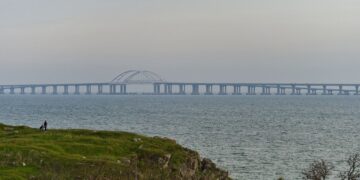
The tactical coordination displayed by Tuareg fighters mirrored high-level asymmetric doctrine seen in modern conflict zones, where agile strike teams leverage terrain familiarity and advanced reconnaissance to devastate conventional columns—a pattern evident in recent maritime and transport disruptions such as the meticulously executed multi-phase tactical operations targeting key bridge infrastructure. In Tinzaouaten, the results were devastating: dozens of burned combat vehicles, captured surface-to-air systems, and heavy loss of senior operational commanders.
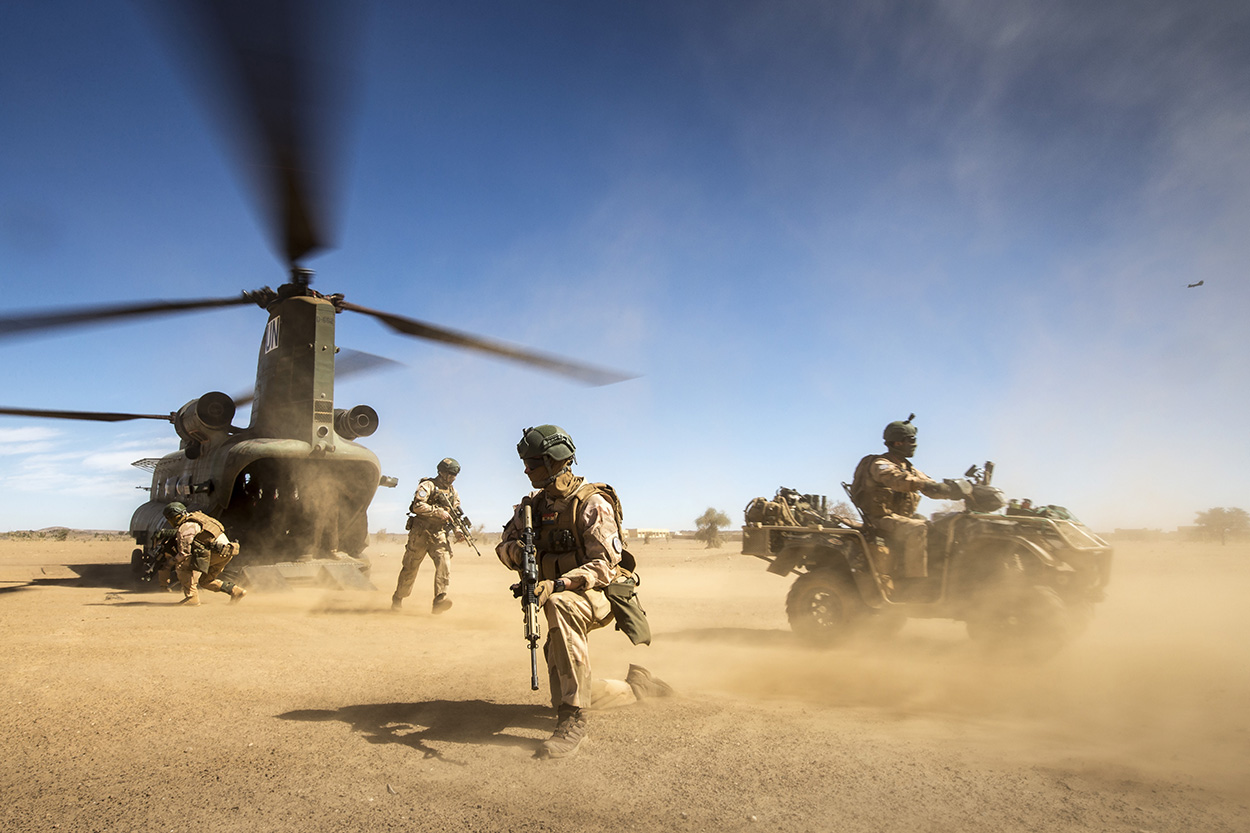
Internal hospital rosters from military bases in Gao and Sévaré document that surviving Russian contingents suffered catastrophic wounded-in-action rates, overwhelming local trauma wards and requiring discreet, nighttime medevac flights via Ilyushin Il-76 transport aircraft back to military hospitals in the Southern Military District of Russia.
The Fragility of Moscow’s Sahel Security Architecture
Following the military coups that swept Mali, Burkina Faso, and Niger, the military juntas expelled French counter-terrorism forces (Operation Barkhane) and terminated the United Nations peacekeeping mission (MINUSMA). The ruling officers promised their populations that direct military partnerships with Moscow would decisively eradicate jihadist violence and pacify separatist rebellion within months.
Instead, security data demonstrates that violence against civilians and insurgent territorial control have expanded dramatically. The Africa Corps, comprised largely of former Wagner Group veterans integrated directly under the Russian Ministry of Defense, has struggled to adapt to the vast logistical distances of the Sahara.
“Moscow sold these regimes an illusion of decisive authoritarian security,” says Dr. Abdoulaye Diallo, a regional security fellow at the Institute for Security Studies in Dakar. “In reality, Russian forces lack the persistent air surveillance, tactical drones, and sustainment capacity needed to control territory beyond fortified regional garrisons. They are suffering attrition they cannot easily replenish.”
Human Rights Fallout and Diplomatic Isolation
The rising military death toll has coincided with a surge in punitive reprisals against local civilian populations. International human rights monitors and civil society coalitions have documented massacres, drone strikes on bustling pastoral markets, and summary executions carried out during joint FAMa-Africa Corps sweeps through central and northern villages.
These actions are triggering intense international scrutiny and increasing demands for formal accountability. Parallels are increasingly drawn to legal precedents established by international tribunals—such as high-stakes international pacts and diplomatic negotiations governing geopolitical boundaries and state conduct. Diplomatic analysts note that documentation gathered in Mali is actively being compiled by human rights organizations for potential submission to global accountability bodies.
Geopolitical Repercussions Across the Alliance of Sahel States
The mounting body count is beginning to fracture political solidarity within the newly established Alliance of Sahel States (AES). In Bamako, growing unease among mid-ranking military officers over mounting casualties and strategic stagnation has prompted heightened garrison alerts and preemptive security reshuffles by the transitional presidency.
“The strategic balance has tilted. By overextending its expeditionary forces without sustainable logistics or indigenous intelligence networks, Moscow has turned northern Mali into a grinding quagmire that threatens the political survival of the junta itself.”
— Sahel Security Assessment Group, Confidential Briefing
With Tuareg factions coordinating more assertively across desert transit corridors and al-Qaeda-aligned JNIM forces tightening economic blockades on major highways, Moscow faces an intractable dilemma: deploy substantial additional regular military assets at a time when resources are strained by European operations, or watch its premier African security project suffer a humiliating strategic unraveling.