





































SAN MATEO, California: In an unprecedented disclosure that redefines the commercial benchmarks of interactive entertainment, Sony Interactive Entertainment announced on Monday that Grand Theft Auto VI attracted more than 39 million unique players on PlayStation consoles during its opening release window. The figure represents the single largest software activation event in the thirty-year history of the PlayStation brand, outstripping previous multi-platform records and generating unprecedented network traffic across the PlayStation Network infrastructure.
The corporate confirmation provides the first official platform-level breakdown following Take-Two Interactive’s blockbuster launch. According to telemetry shared by Sony leadership, concurrent player counts peaked at a staggering 14.2 million users simultaneously connected to Rockstar Games’ servers over the weekend. The deluge of activity triggered temporary regional latency warnings across European and North American Internet Exchange Points, forcing tier-one telecom carriers to dynamically re-route civilian internet traffic to accommodate massive digital content delivery downloads.
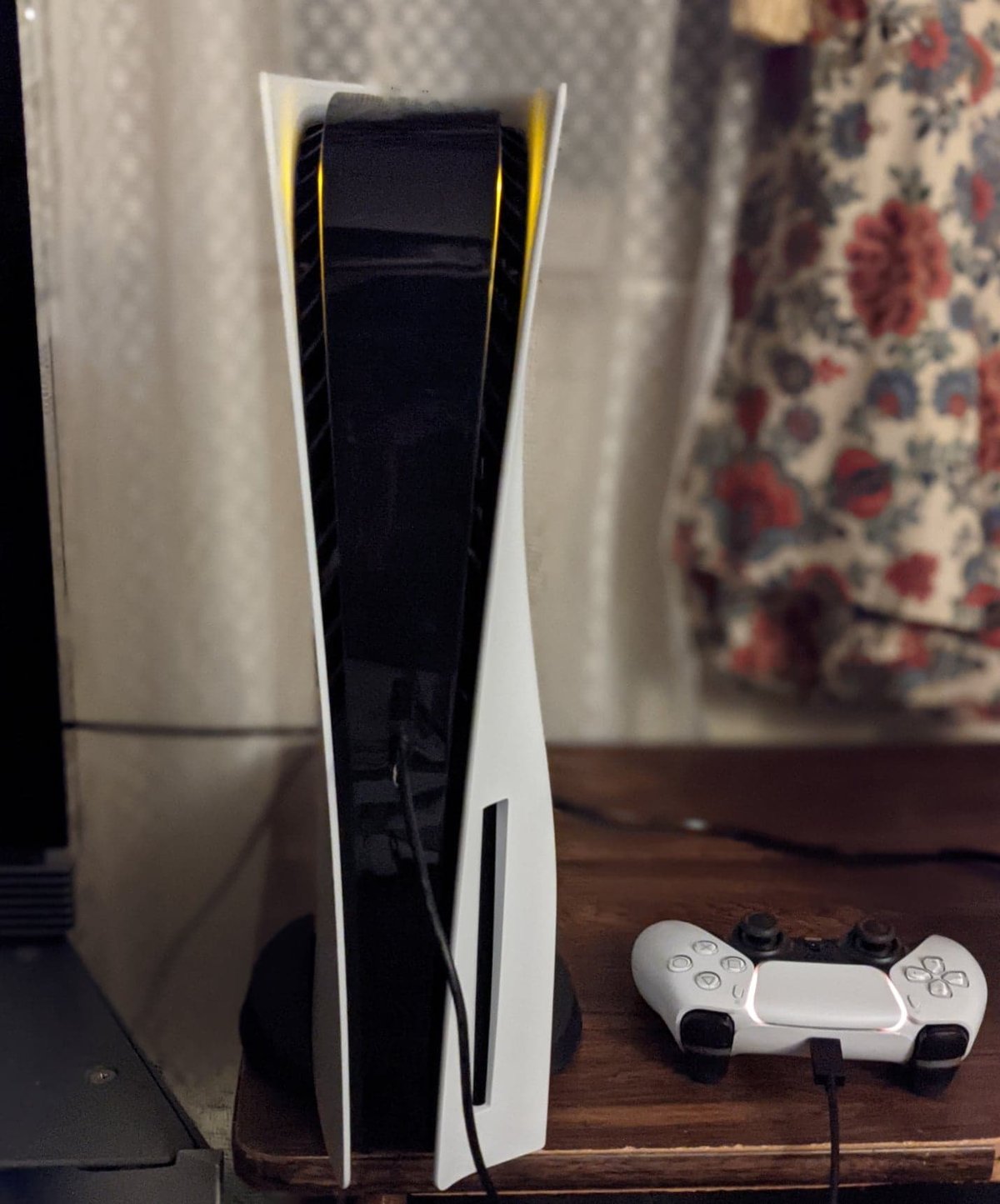
The announcement validates Sony’s multi-billion-dollar mid-generation hardware investment. While competing console ecosystems have struggled to generate hardware momentum, Sony’s tactical alignment with Rockstar Games has cemented the PlayStation 5 as the primary cultural gateway for the most lucrative entertainment launch in human history.
Hardware Acceleration and the Mid-Cycle Console Surge
For hardware manufacturers, the middle years of a console cycle are traditionally characterized by declining margins, slowing unit sales, and steep price promotions. Grand Theft Auto VI has completely inverted that conventional macroeconomic pattern. Sony executives confirmed that global hardware sales experienced an astonishing 164 percent year-over-year surge during the launch week, driven by consumers rushing to secure hardware specifically capable of running the demanding visual simulation.
Industry analysts estimate that hardware attach rates for the title exceeded 82 percent among newly activated consoles over the weekend. Furthermore, the launch has provided immediate commercial justification for the premium PlayStation 5 Pro, which retails at a substantial markup over base models. Rockstar’s implementation of advanced ray-traced global illumination, high-resolution dynamic scaling, and 60-frame-per-second fidelity modes has turned the high-end console into the showcase platform of choice for enthusiasts seeking the definitive visual presentation.
The platform surge mirrors the industrial manufacturing scale observed across broader compute sectors, where hardware bottlenecks dictate commercial velocity, a phenomenon documented by how semiconductor allocations and cloud hardware backlogs shape corporate growth. For Sony, securing the marketing rights and hardware bundles for the most anticipated cultural product of the decade has established an insurmountable lead over competing living-room platforms.
Beyond physical hardware units, the title has triggered an explosion in secondary peripheral demand. Retail supply chains report widespread shortages of specialized gaming headsets, high-speed NVMe storage expansions, and custom DualSense wireless controllers. Consumers have spent heavily to upgrade home audio-visual setups, turning what was once a software launch into a broader macroeconomic retail stimulus event.
Box Office Economics: Velocity versus Player Friction
The 39 million PlayStation player milestone contextualizes the astronomical revenue figures reported by parent publisher Take-Two Interactive. Earlier financial disclosures revealed that the title shattered global entertainment records by generating over two billion dollars in opening-day consumer spend while igniting debates over single-player monetization tiers.
When compared to traditional box office benchmarks or music streaming debuts, the commercial scale of Grand Theft Auto VI exists in an entirely separate category. Hollywood’s largest global theatrical debuts typically take weeks to amass forty million ticket sales across dozens of international territories. Sony’s living-room install base mobilized an equivalent audience within seventy-two hours, with each user investing tens or hundreds of dollars upfront rather than a nominal movie ticket fee.
Yet underneath the celebratory corporate disclosures, significant tension is brewing within the broader gaming community. While players and critics have universally lauded the narrative depth, technical ambition, and atmospheric simulation of the sprawling Vice City metropolitan region, controversy has erupted around publisher monetization strategies. Players taking to social media platforms and community forums have expressed vocal frustration regarding optional tiered passes, cosmetic pricing structures, and gated progression mechanics embedded inside premium software that already carries an elevated upfront retail price tag.
This commercial friction reflects a wider cultural tug-of-war across modern interactive media, echoing the broader cultural debates surrounding gaming saturation, digital labor, and modern entertainment excess. For Sony and Take-Two, balancing shareholder demands for recurring digital live-service revenue against player sentiment will dictate whether engagement metrics remain elevated over the multi-year lifespan of the software.
The Network Stress Test and Structural Reliability
From an infrastructure perspective, supporting 39 million active players across a continuous opening weekend represents an extraordinary engineering achievement. In past generations, comparable mega-launches routinely collapsed digital distribution storefronts and incapacitated authentication servers, leaving consumers staring at error codes and loading bars.
Sony engineering teams credited extensive cloud elasticity arrangements and localized edge-caching protocols established in partnership with global content delivery networks. By pre-loading compressed asset files across regional data hubs weeks in advance, PlayStation Network mitigated the catastrophic bandwidth spikes that historically crippled network backbones on release day.
The technical triumph sets a new standard for modern digital publishing. As consumer software continues to expand in file size, titles exceeding 150 gigabytes require unprecedented cooperation between platform holders, internet service providers, and cloud infrastructure vendors. Sony’s flawless execution provides a masterclass in global traffic management, demonstrating that contemporary digital platforms can absorb once-in-a-generation consumer demand without catastrophic systemic failures.
What Lies Ahead for the Platform Ecosystem
The record-breaking debut on PlayStation 5 cements Grand Theft Auto VI as the undisputed anchor tenant of the current console generation. But the true long-term test begins now, as initial release euphoria transitions into sustained live-service operations.
Key milestones to watch in coming months: First, whether Sony can sustain hardware manufacturing velocity to prevent holiday inventory shortages as casual consumers enter the market. Second, how Rockstar Games addresses community pushback regarding in-game monetization before rolling out the title’s persistent online multiplayer component. And third, whether competing platform holders can craft meaningful competitive responses, or if Sony’s cultural dominance will permanently marginalize rival living-room hardware.
By delivering 39 million players in its opening salvo, PlayStation has proved that premium, high-production interactive entertainment remains the most powerful economic engine in the global media landscape. For Sony, the gamble on premium silicon and exclusive cultural partnerships has paid off with historic, generational dividends.