



































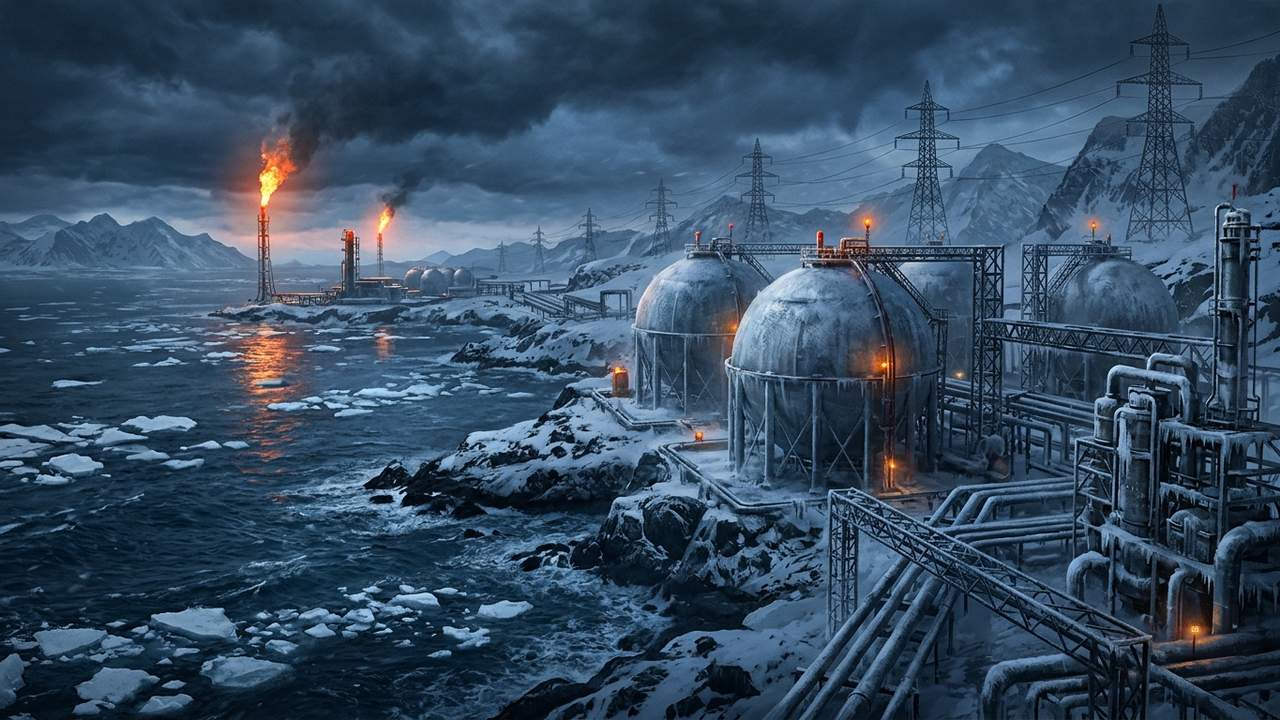
LONDON: European households and energy-intensive manufacturing clusters are bracing for a punishing winter as benchmark natural gas prices surged to their highest levels of the year. The sudden escalation, driven by an unseasonably early Arctic cold blast and severe Norwegian pipeline maintenance outages, prompted national regulatory bodies on Wednesday to project a steep 26% spike in default domestic utility price caps beginning in January 2027.
The sudden price shock underscores the continent’s persistent vulnerability to external fuel shocks. Even though European authorities took aggressive steps earlier in the autumn to safeguard energy security—as detailed in comprehensive tracking of Europe’s winter gas storage preparedness and cross-border contingency planning—the rapid depletion rate during sub-zero cold snaps exposes the fragile buffer provided by underground salt cavern reservoirs.
Anatomy of the 26% Utility Bill Spike
Wholesale gas contracts on the Dutch Title Transfer Facility (TTF)—the continental benchmark—breached €52 per megawatt-hour in volatile intraday trading, dragging forward power contracts to multi-month highs. Because wholesale procurement costs are passed through into regulated retail tariffs with a six-month lag, utility pricing algorithms are now locking in aggressive upward adjustments.
Energy advisory group Aurora Energy estimates that the average dual-fuel household bill across the United Kingdom and Northwestern Europe will climb from €1,780 to over €2,240 annually. This comes at a precarious macroeconomic juncture, as persistent core price pressures continue to challenge central bank inflation targets, echoing wider market trends where stickiness in services and underlying industrial costs keeps inflationary pressure alive.
“Families had barely begun to rebuild discretionary financial buffers following the 2022 energy crisis,” noted Clara Lindqvist, chief consumer economist at the Nordic Consumer Federation. “A sudden 26% jump in baseline heating and electricity charges acts as a direct, regressive consumption tax, forcing immediate cutbacks across basic retail spending.”
Supply Chokepoints: Pipeline Outages and LNG Competition
The current price squeeze is the confluence of two acute physical supply bottlenecks. First, unplanned operational trips at Norway’s offshore Troll field and the Kollsnes gas processing plant abruptly removed approximately 45 million cubic meters of daily pipeline gas flow into mainland Europe.
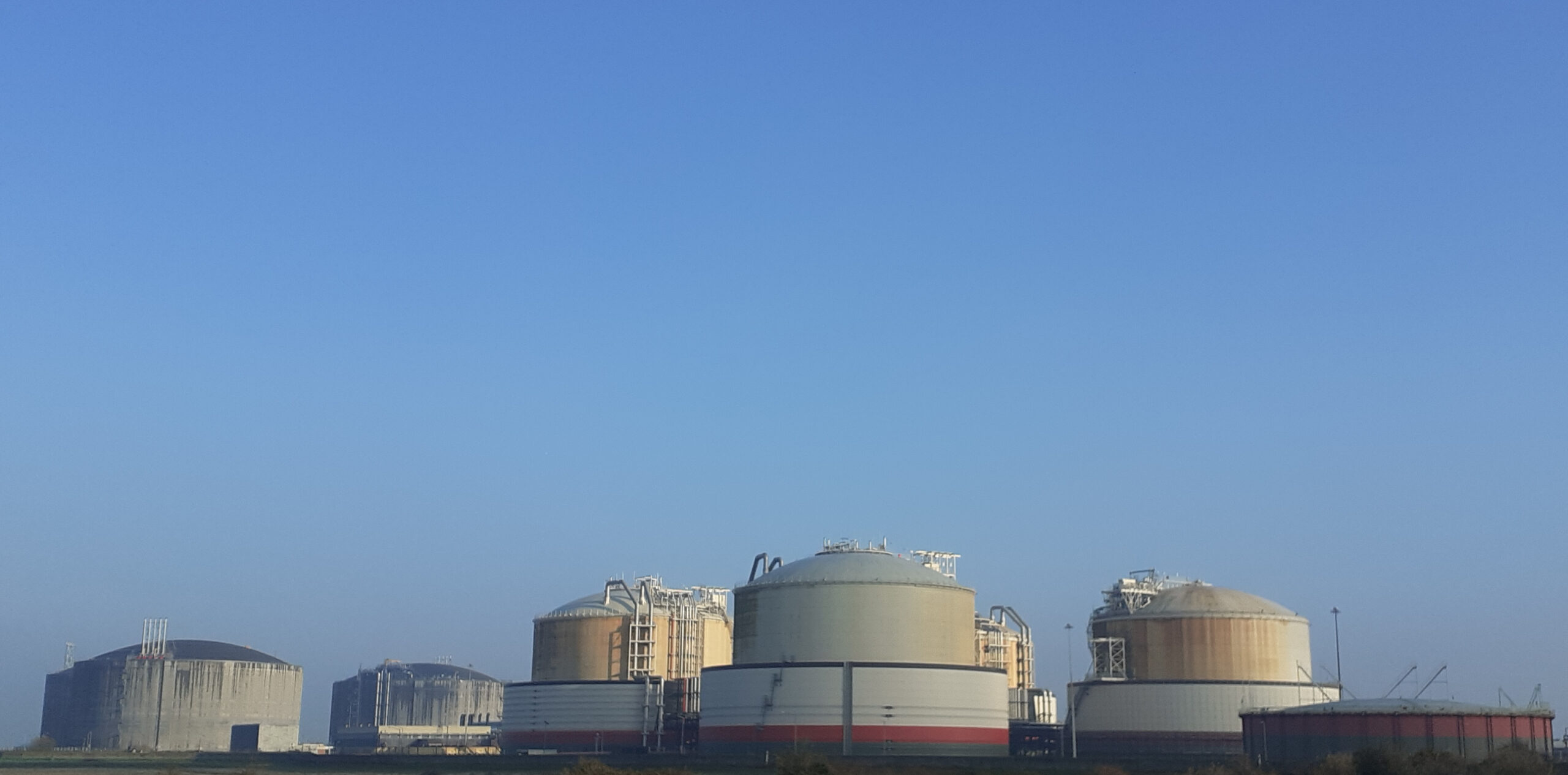
Second, Europe’s reliance on flexible seaborne Liquefied Natural Gas (LNG) cargoes has collided with fierce buying competition from Northeast Asian utilities. Unseasonably harsh blizzards across Japan and South Korea have driven Asian spot LNG premiums to $16.50 per million British thermal units (MMBtu), incentivizing cargo diversions away from European regasification terminals in Spain, France, and Britain.
The erosion of consumer purchasing power threatens broader economic momentum. This mirrors macro consumer dynamics observed over recent quarters, where despite occasional statistical disinflation, volatile baseline utility and energy bills continue rewriting household balance sheets across major metropolitan economies.
Industrial Demand Destruction Returns
Beyond household heating anxiety, Europe’s heavy industrial backbone is once again experiencing severe operational strain. Fertilizer producers, chemical synthesizers, and primary metals manufacturers in Germany’s Ruhr valley and northern Italy have begun curtailing production runs during peak-tariff morning hours.
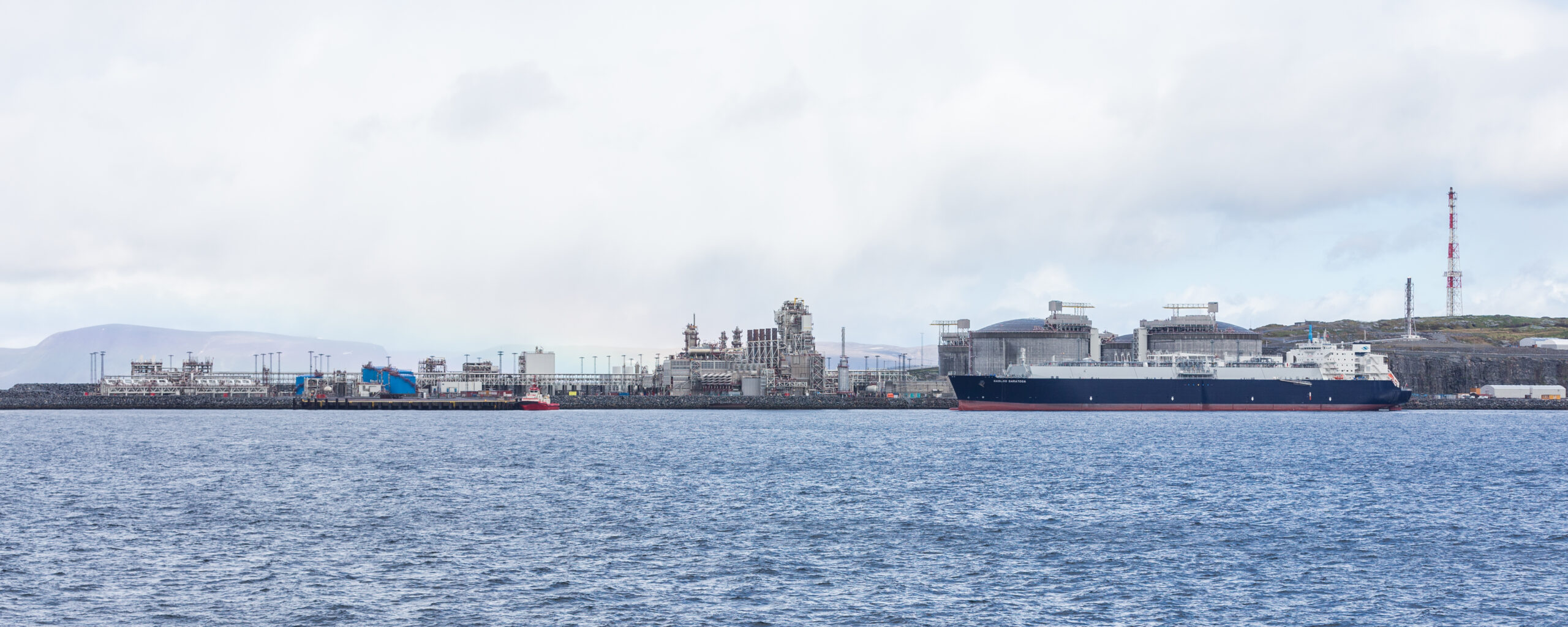
Industrial trade associations warn that prolonged price volatility will permanently impair European manufacturing competitiveness. When regional energy costs trade at three to four times US benchmark Henry Hub prices, multinational manufacturers are systematically accelerating capital investment relocations to North American and Gulf Coast manufacturing corridors.
Political Scramble for Targeted Interventions
European Union energy ministers have convened an extraordinary summit in Brussels to debate emergency mitigations. Policy options on the table include temporary subsidies for grid transmission fees, VAT suspensions on heating utilities, and the activation of coordinated gas procurement mandates under the AggregateEU mechanism.
“Europe replaced Russian pipeline dependency with global LNG exposure. But LNG is a mobile, fiercely contested commodity. In a cold winter, market forces dictate prices that our domestic social fabrics cannot sustainably bear without intervention.”
— European Energy Policy Institute, Special Policy Briefing
With meteorologists projecting persistent freezing conditions across Central Europe through late December, the coming weeks will test whether Europe’s restructured energy architecture can withstand a genuine winter crisis without triggering crippling inflationary contagion or forced industrial rationing.