


































LONDON: In what sociologists and public health researchers are characterizing as an unprecedented shift in modern human social architecture, more than one-third of young adults aged 18 to 30 report being completely celibate over the past calendar year. A comprehensive longitudinal survey released Wednesday by the British Institute for Demographic and Social Transitions reveals that intimate physical partnerships are being rapidly displaced by digital hyper-connectivity, algorithmic entertainment, and escalating economic anxieties.
The findings mark a dramatic departure from twentieth-century developmental trajectories. While modern societies have adapted to massive systemic disruptions in public wellbeing and metabolic health—such as the transformative clinical shifts seen in public health authorities navigating systemic disease surveillance and community immunization thresholds—the retreat from face-to-face romantic partnership reflects an internal, voluntary restructuring of everyday human contact driven by pervasive screen architecture.
The Rise of Algorithmic Parasocial Displacement
At the center of this romantic contraction is the frictionless nature of modern digital environments. For decades, pursuing romantic relationships required navigating vulnerability, social awkwardness, and the ever-present threat of real-world rejection. Today, mobile dating applications have commercialized courtship into endless gamified card-swipes, fostering severe evaluation fatigue without delivering authentic emotional connection.
Concurrently, immersive entertainment ecosystems have established compelling alternatives to dating. As demonstrated by the unprecedented consumer gravitation toward vast interactive digital worlds—most notably seen in the record-shattering global engagement and cultural immersion surrounding major AAA interactive titles—young demographics increasingly spend their discretionary evening hours inside curated simulated spaces that offer intense dopamine rewards without relational friction.

“We have constructed an everyday media landscape so rich in simulated intimacy, algorithmic validation, and continuous stimulation that the messy, high-effort enterprise of human courtship feels uncomfortably exhausting,” notes Dr. Fiona Henshaw, lead behavioral researcher on the study. “When an algorithm gives you endless feedback loops on demand, in-person vulnerability begins to feel like a high-risk liability.”
Synthetic Intimacy and Emotional Avoidance
The study also sheds light on a fast-growing demographic: young adults forming deep parasocial bonds with artificial intelligence chatbots and virtual companion avatars. Researchers noted that nearly 22% of surveyed single respondents interact daily with conversational AI agents designed to provide emotional validation, romantic roleplay, and simulated domestic reassurance.
However, clinical psychologists warn that substituting synthetic affection for genuine human partnership carries profound psychological risks. This dynamic has come into sharp focus following recent reports of users experiencing severe psychological grief and isolation trauma following the sudden shutdown of generative AI companions, proving that synthetic surrogates often reinforce social fragility rather than building resilient interpersonal maturity.
Rather than acting as a bridge toward physical intimacy, reliance on digital companionship creates an avoidance barrier. Users habituated to obedient, endlessly supportive synthetic dialogues find the unpredictable emotional range and legitimate needs of real human partners daunting and burdensome.
Economic Precariousness and the Domestic Squeeze
Behind the psychological and technological factors lies an inescapable material foundation: severe housing unaffordability and prolonged economic precariousness. With soaring rental prices forcing millions of young adults to remain in parental homes or densely crowded flat-shares well into their late twenties, the physical autonomy required to host, court, and build independent domestic lives has eroded.
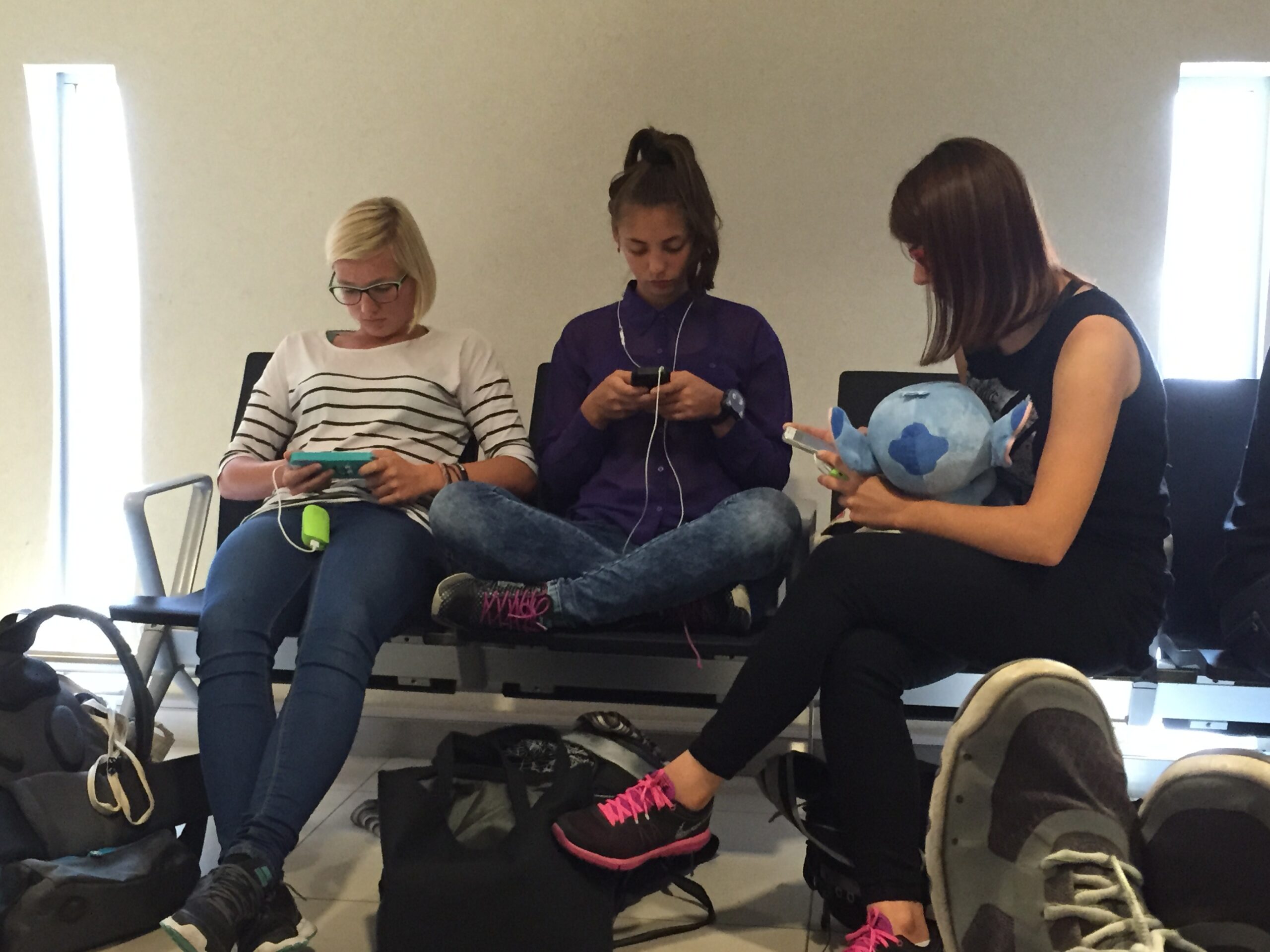
Dating has also become prohibitively expensive. Dining out, purchasing concert tickets, and financing weekend excursions place unsustainable strains on entry-level salaries already diminished by persistent cost-of-living increases. In response, young adults increasingly treat celibacy not as an ascetic vow, but as an involuntary cost-containment strategy.
Long-Term Demographic and Societal Ramifications
The systemic withdrawal from romantic relationships poses profound implications for global birth rates and community cohesion. Western birth rates are already plummeting below the 1.5 replacement threshold, threatening to accelerate demographic aging, shrink future labor pools, and overburden national pension systems.
“Celibacy among young adults is not merely a lifestyle quirk; it is a structural canary in the coal mine. A generation that struggles to connect romantically is a generation that will struggle to build resilient families, communal support networks, and sustainable civic institutions.”
— Parliamentary Report on Youth Social Isolation and Mental Health
As policymakers, mental health professionals, and urban planners evaluate interventions—ranging from regulating exploitative dating app algorithms to creating low-cost third places for physical socialization—the core challenge remains profound: re-teaching a digitally saturated generation how to embrace the vulnerable beauty of unscripted human intimacy.