




































LONDON: British high street retailing suffered a seismic blow on Wednesday as Poundland, the country’s premier single-price variety store pioneer, formally filed for administration. The insolvency filing by South African-backed parent company Pepco Group places more than 11,000 retail workers and over 600 store locations in severe jeopardy just weeks before the critical Christmas holiday shopping period.
The collapse underscores the acute structural crisis gripping brick-and-mortar retail across the United Kingdom. Caught in a vise of escalating store operational overheads, surging municipal business rates, and relentless consumer budget contractions—exacerbated by wider macroeconomic pressures where European household energy bills face a 26% spike following acute winter supply strains—the traditional budget discounter model has seen its thin trading margins completely erased.
Anatomy of an Insolvency: The Margin Squeeze on Budget Retail
Founded in 1990 with the revolutionary promise of selling every item for £1, Poundland expanded aggressively across three decades to become an anchor tenant of British town centers. However, relentless input cost inflation following the pandemic broke the single-price concept, forcing management to transition to a multi-tiered pricing architecture with items reaching up to £5 and £10.
The pricing pivot alienated budget-conscious consumers while failing to offset dramatic overhead increases. Concurrently, capital markets have increasingly reallocated investment away from physical retail operations toward high-margin digital enterprise ecosystems—a structural shift mirrored in equity markets where tech champions add nearly a trillion dollars in valuation in single-day rebounds, leaving physical retail networks struggling to access emergency refinancing lines.
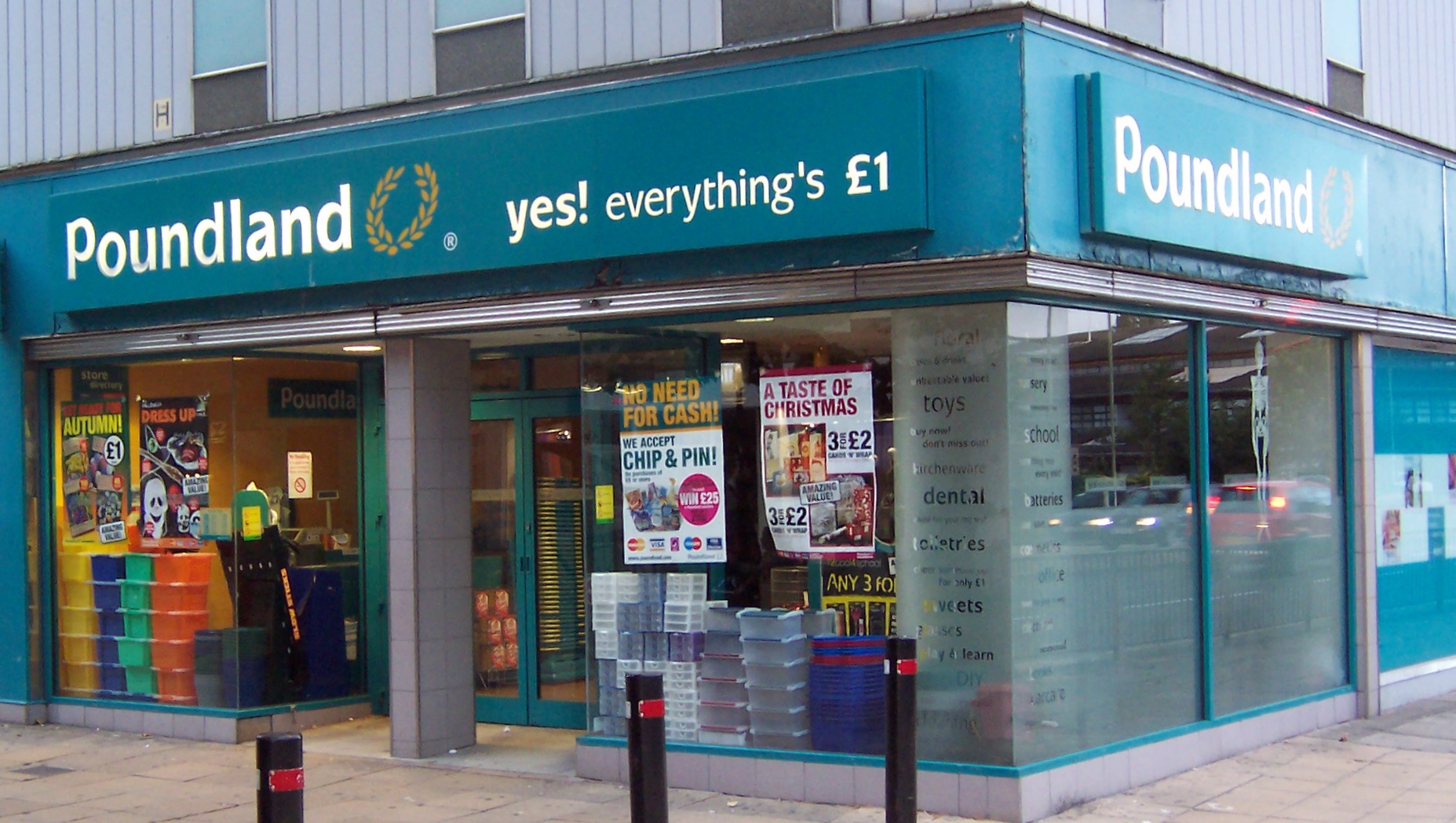
“Discount retail operates on microscopic percentage margins,” noted retail turnaround specialist Alistair Campbell. “When freight rates double, the National Living Wage adjusts upward, and energy overheads remain permanently elevated, selling general merchandise for nominal prices becomes economically unviable without colossal footfall density that simply no longer exists.”
Shifting Consumer Lifestyles and High Street Desertion
Beyond fiscal pressures, Poundland has fallen victim to fundamental behavioral shifts in everyday consumer habits. The accelerated migration of grocery and general impulse buying to ultra-cheap cross-border e-commerce platforms like Temu, Shein, and TikTok Shop has systematically cannibalized footfall across suburban retail corridors.
This dynamic reflects deeper generational detachments from physical communal spaces. As recent sociological analyses reveal—exemplified by findings where one-third of young adults report celibacy as digital hyper-connectivity and screen immersion displace real-world interaction—younger cohorts spend increasingly less time socializing and shopping on local high streets, severely depressing incidental retail foot traffic.
Appointed joint administrators from PwC confirmed that stores will remain open and trading for the immediate future as they seek buyers for all or parts of the business. However, retail analysts warn that significant store closures and thousands of redundancies appear unavoidable given the sheer scale of the estate.
Regional Impact and the Threat of High Street Blight
The human and community toll will be concentrated disproportionately across former industrial heartlands in the Midlands, the North of England, and South Wales, where Poundland frequently anchors primary commercial streets after the prior exits of Marks & Spencer, Woolworths, and Wilko.
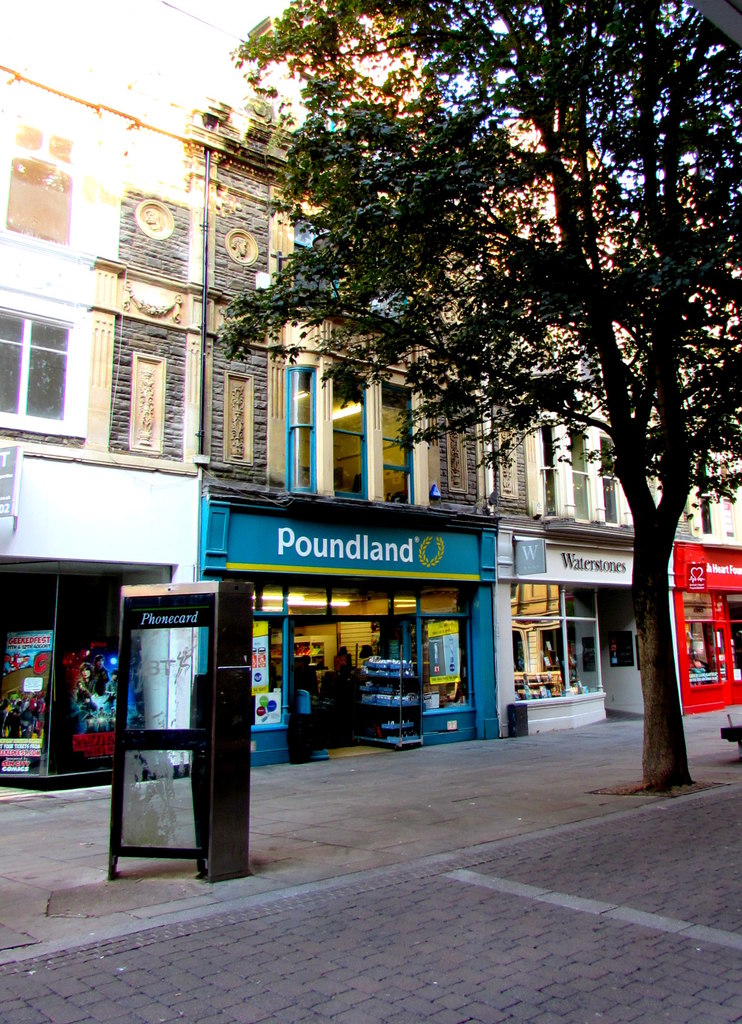
Union leaders at Usdaw have urgently called on the government to establish an emergency retail taskforce. A simultaneous closure of hundreds of units risks creating vacant dead zones across town centers, triggering downward spirals in local business rates and devastating adjacent independent merchants.
The Fate of Discount Retail in Post-Pandemic Britain
As administrators review expressions of interest from rival value chains such as B&M, Home Bargains, and supermarket discounters Lidl and Aldi, the prospective dismantling of Poundland marks the end of an era for British bargain shopping.
“Poundland was more than a shop; it was an economic lifeline for millions of low-income households navigating stagnant real wages. Its collapse represents a devastating indictment of Britain’s high street cost structure.”
— British Retail Consortium, Emergency Briefing
With insolvency administrators working against an unforgiving holiday deadline, the next few weeks will determine whether any meaningful portion of Poundland’s storied high street presence can be salvaged.