


































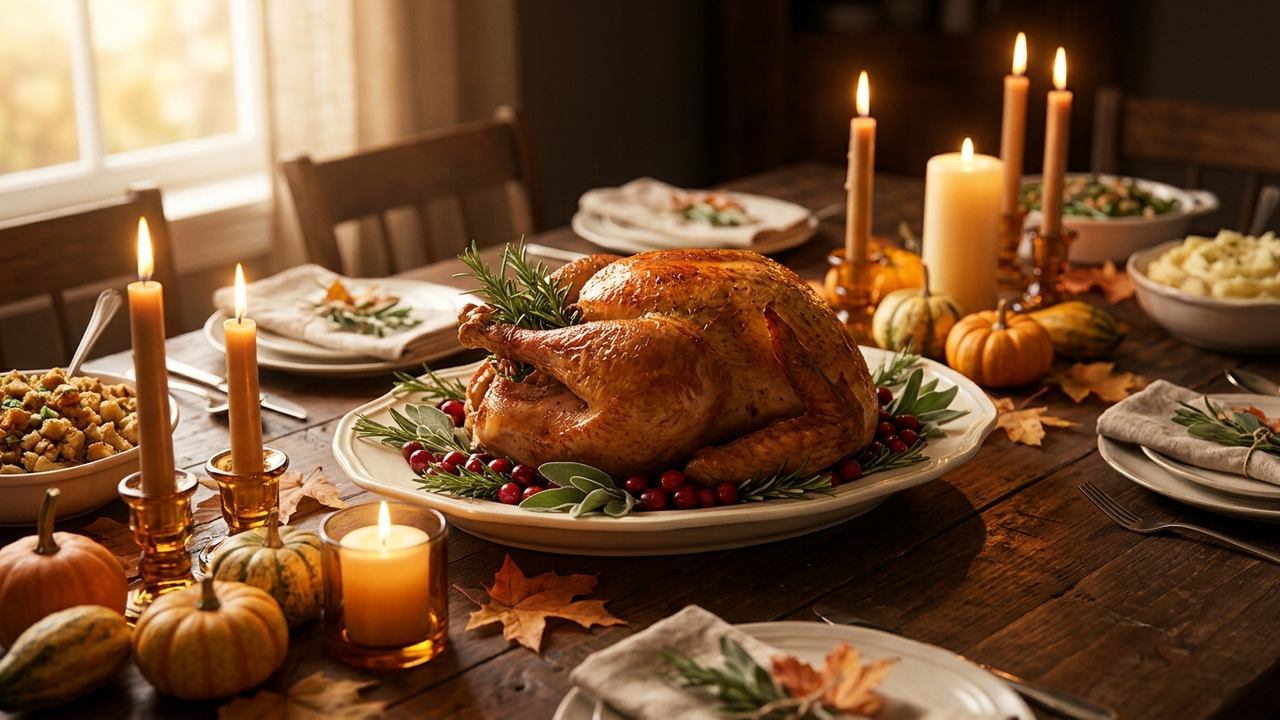
WASHINGTON: In the feverish forty-eight hours leading up to Thanksgiving dinner, viral social media posts across TikTok, Facebook, and X sparked widespread kitchen panic by alleging a nationwide recall of Butterball whole turkeys due to dangerous Salmonella contamination. However, federal food safety regulators and consumer health agencies moved swiftly on Wednesday morning to unequivocally debunk the claims, confirming that no recall exists and that commercial holiday poultry supplies remain fully compliant with rigorous federal safety thresholds.
The sudden flurry of viral holiday misinformation highlights how easily algorithmically amplified rumors can disrupt family traditions and trigger consumer anxiety. Much like the aggressive enforcement actions required to clean up saturated digital media ecosystems—such as Tidal purging over 27 million synthetic audio files to safeguard content integrity—public health authorities are having to deploy active myth-busting resources to counteract algorithmic falsehoods that spread during peak seasonal events.
Anatomy of a Holiday Hoax: Recycled Headlines and Digital Anxiety
The confusion originated when several viral video creators recycled out-of-context headlines from localized commercial meat recalls dating back to 2019 and 2021, falsely presenting them as an active, nationwide emergency for the 2026 holiday season. By the time consumer hotlines opened on Wednesday morning, Butterball’s renowned Turkey Talk-Line had received thousands of calls from anxious home cooks threatening to discard perfectly safe holiday centerpieces.
The Food Safety and Inspection Service (FSIS), a branch of the US Department of Agriculture (USDA), issued an official consumer bulletin reassuring the public that Butterball has issued no recall notices for its whole fresh or frozen turkeys. Commercial processing facilities operate under continuous federal inspection, where microbiological baseline testing and strict sanitary standard operating procedures govern every stage of distribution.
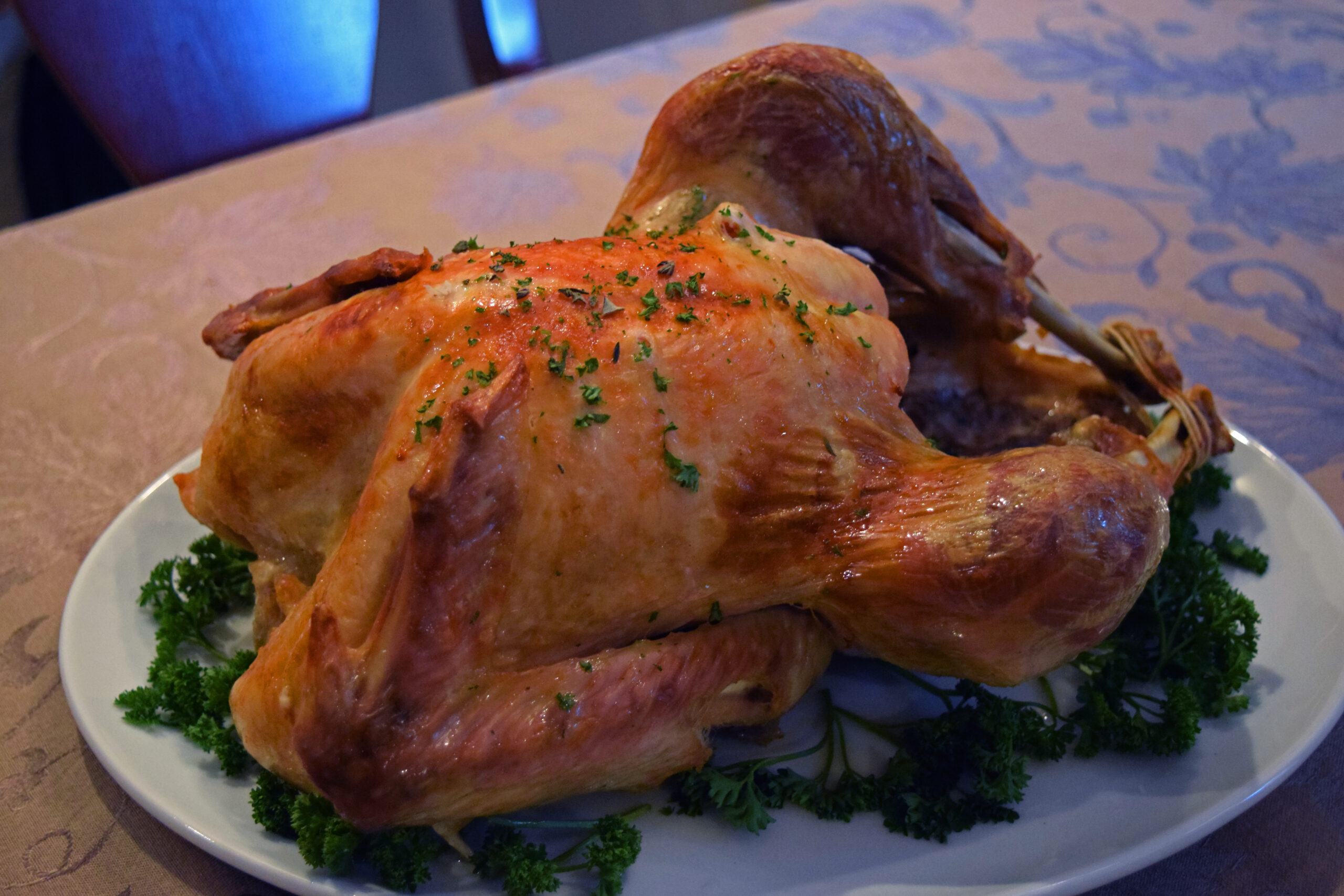
“There is zero factual basis for the circulating recall rumors,” confirmed Dr. Eleanor Vance, senior food safety liaison at the FSIS. “Consumers who purchased whole Butterball turkeys can proceed with confidence, provided they follow standard, scientifically proven kitchen handling and thermal lethality guidelines.”
Understanding Salmonella Realities: The Science of 165°F Thermal Lethality
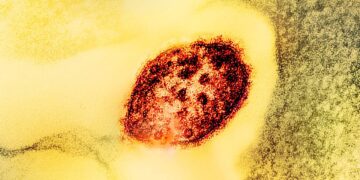
While the recall rumors are groundless, the episode has refocused national attention on raw poultry microbiology. Salmonella bacteria are naturally occurring microorganisms that can inhabit the digestive tracts of poultry. Federal food standards do not classify raw poultry as naturally sterile; instead, regulatory frameworks rely on mandatory processing interventions combined with safe domestic cooking practices.
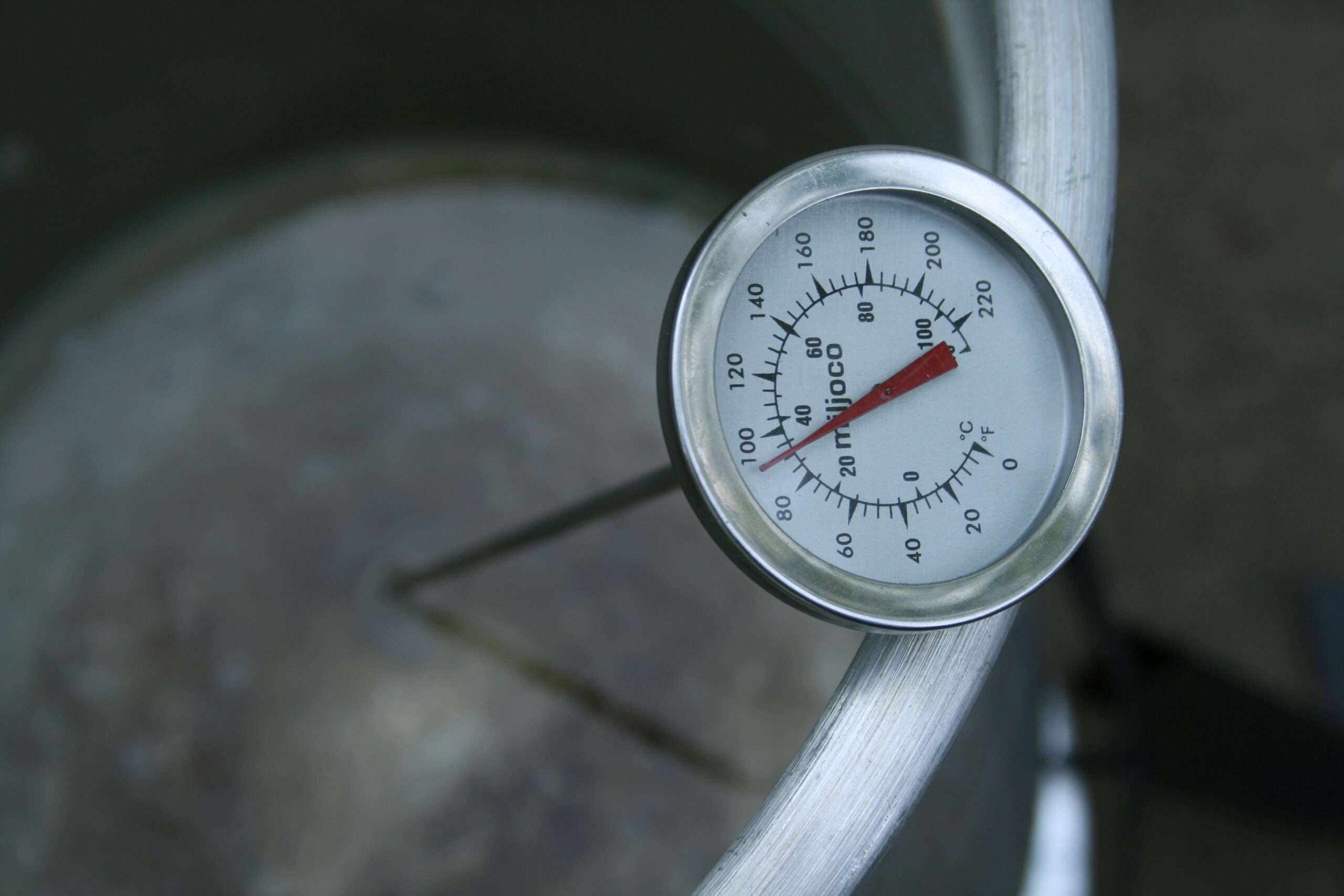
The golden scientific rule of poultry safety is unambiguous: pathogen destruction is a direct function of internal temperature. When poultry meat reaches an internal temperature of 165°F (73.9°C), Salmonella, Campylobacter, and other common foodborne pathogens are instantaneously eradicated through thermal protein denaturation.
The phenomenon of food-related panic and health hyper-vigilance also reflects broader societal anxieties documented in modern lifestyle studies. As examined in recent demographic analyses—such as sociological research on young adult isolation and screen-induced health anxieties—contemporary households increasingly absorb fragmented digital alarms, fueling disproportionate domestic stress over everyday routines.
Critical Kitchen Rules: Temperature Probing and Thawing Protocols
To ensure total feast safety, USDA food scientists urge home chefs to avoid relying on subjective visual cues such as skin browning or clear juices. The only definitive verification of bacterial safety is a calibrated digital food thermometer inserted into three distinct locations: the thickest part of the breast, the innermost part of the wing, and the innermost part of the thigh, taking care not to touch bone.
Furthermore, food safety experts strongly discourage washing raw turkey under kitchen faucets. Splashing water droplets can aerosolize bacteria, spreading microscopic contamination across countertops, cutting boards, and ready-to-eat holiday side dishes up to three feet away.
For cooks managing complex holiday prep timelines, structured technical workflows are proving increasingly essential. In a similar vein to how developers utilize structured sandboxes for multi-tasking—exemplified by open-source local sandboxes engineered to automate complex sequential tasks—mastering holiday prep requires systematic, step-by-step adherence to temperature baselines and cross-contamination boundaries.
Confidence Restored for Holiday Hosts
With official confirmations clearing the air, millions of American families can turn their attention back to celebratory traditions without unfounded health fears. By maintaining strict hand hygiene, avoiding sink washing, and verifying the 165°F internal temperature threshold, Thanksgiving hosts can guarantee a safe, delicious holiday gathering for all.
“Thanksgiving is about gratitude and gathering, not fear-based social media hoaxes. Trust the food thermometer, follow proven thermal guidelines, and enjoy your holiday meal in complete safety.”
— USDA Meat and Poultry Consumer Safety Advisory
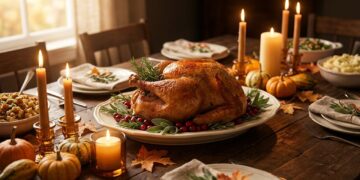
As the aroma of roasting herbs fills homes across the country, clear scientific facts have prevailed over viral alarmism, ensuring that holiday centerpieces remain a source of joy rather than concern.