







































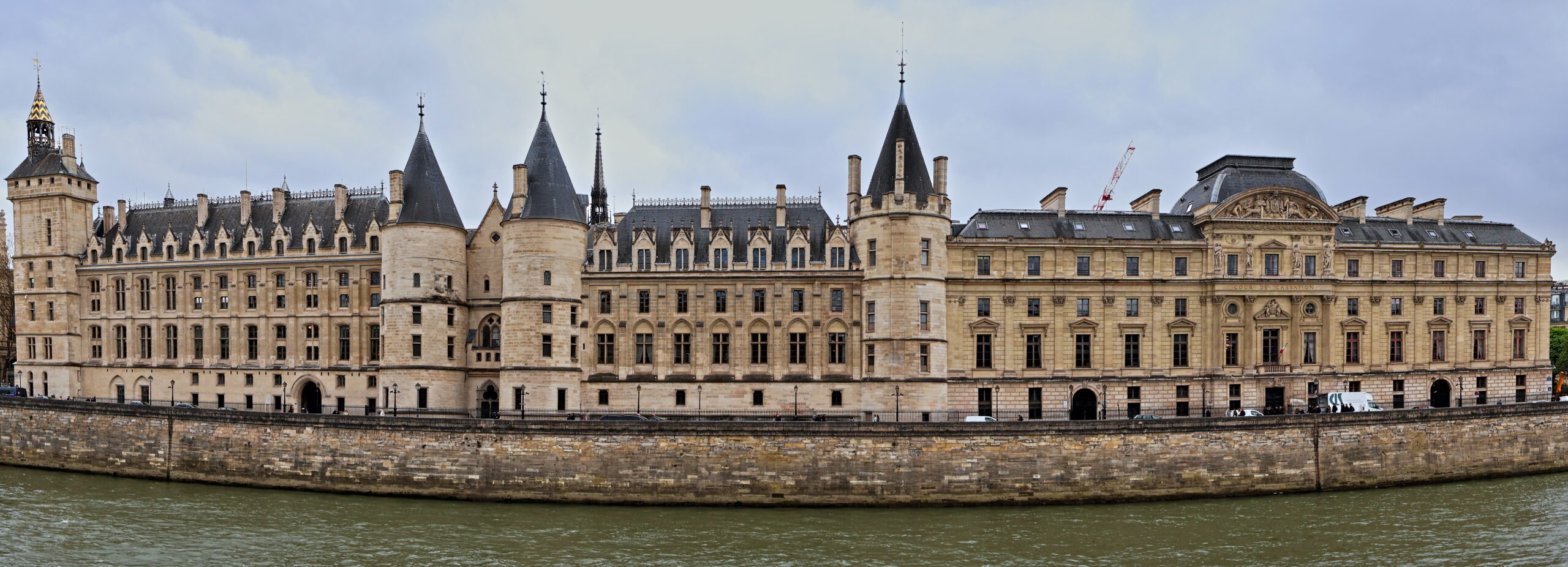
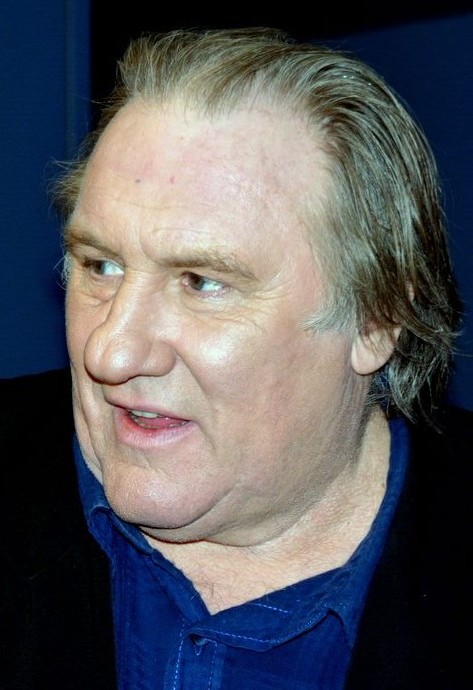
The long-standing protective barrier surrounding one of the most celebrated figures in European cinema collapsed definitively on Friday morning. In a historic ruling that reverberated through the French cultural establishment, the Paris Court of Appeal (Cour d’appel de Paris) rejected the final legal petition filed by defense attorneys for Gérard Depardieu. The decision confirms that the 75-year-old actor must stand trial before the Cour Criminelle départementale in Paris on felony charges of rape and sexual assault involving actress Charlotte Arnould, dating back to August 2018.
The appellate judgment represents an extraordinary turning point for the French justice system and the country’s audiovisual industry. For more than half a century, Depardieu reigned as the supreme sacred monster of French cinema, celebrated across more than two hundred films, including Cyrano de Bergerac, The Last Metro, and Jean de Florette. Yet after years of procedural maneuvers, counter-appeals, and intense public polarization, the investigative chamber concluded that the evidentiary record contains serious and corroborated indicators of guilt that demand adjudication before a criminal bench.
The Anatomy of the 2018 Allegations
The criminal proceedings center on events that occurred inside Depardieu’s private Parisian residence in the upscale sixth arrondissement in August 2018. According to formal indictments, Charlotte Arnould, then a 22-year-old aspiring actress and dancer whose family maintained close personal ties with Depardieu, visited the veteran actor’s mansion on two separate occasions to seek career advice.
“Celebrity status cannot permanently halt the gears of justice. The court’s decision marks a momentous turning point for victims of sexual violence who dare to confront entrenched cultural power.”
Carine Durrieu-Diebolt, Legal Representative for Charlotte Arnould
Arnould filed a formal complaint with military police in southern France shortly after the encounters, describing two non-consensual sexual assaults committed under coercive atmospheric pressure. Although initial prosecutors dismissed the complaint in 2019 citing insufficient evidence, Arnould persisted, filing an independent civil party lawsuit that forced the appointment of a specialized investigating magistrate.
Following an exhaustive four-year inquiry that gathered confidential text messages, forensic psychological assessments, and internal witness testimonies, the examining judge ruled that the defense narrative of mutual consent was fundamentally contradicted by the timeline of physical events and Arnould’s immediate contemporaneous disclosures. If convicted before the five professional judges of the Cour Criminelle, Depardieu faces a statutory maximum penalty of twenty years’ imprisonment.
The Collapse of Cultural Immunity
The pending trial shatters an entrenched culture of exceptionalism that long shielded powerful men within French cinema. For decades, the Parisian cinematic establishment treated Depardieu’s boorish outbursts, lewd behavior on movie sets, and aggressive physicality as the eccentric hallmarks of genius, an artistic license excused as quintessential French libertinism.
This deconstruction of a public myth underscores how contemporary society re-evaluates historic artistic legacies. The process of separating revered cultural contributions from personal conduct is an emotional challenge facing international audiences, echoing the delicate balance seen when society honors the artistic brilliance of past cultural pioneers while re-examining public mythologies. In France, however, the mythology of the untouchable auteur resisted accountability far longer than in neighboring Western nations.
When the global MeToo movement erupted in Hollywood in late 2017, much of the French cinematic elite initially pushed back, warning in famous public manifestos against American puritanism. That defensive wall stood firmly around Depardieu until late 2023, when investigative broadcast Complément d’Enquête aired shocking footage showing the actor making relentlessly sexualized remarks toward female crew members and a young girl during a trip to North Korea.
The public disgust that followed ignited a cultural civil war. While French President Emmanuel Macron sparked international outrage by defending Depardieu as someone who makes France proud, dozens of female filmmakers, technicians, and actresses signed counter-petitions refusing to remain silent about systemic abuse on studio sets.
Institutional Repercussions Across European Cinema
The appellate court decision accelerates an aggressive institutional cleanup across the European entertainment sector. National broadcasting networks, including state-funded France Télévisions, have largely suspended television reruns of Depardieu’s classic catalog, while European film festivals have quietly removed his recent indie projects from official competition schedules.
More broadly, production studios are dismantling the autocratic hierarchy that historically granted veteran male leads unchecked authority over cast and crew members. European film organizations are actively mandating intimacy coordinators, independent reporting hotlines, and contractual conduct clauses. This systematic governance overhaul parallels the broader ethical transformations reshaping international entertainment, where creative platforms implement strict regulatory standards to restore institutional integrity across global media distribution.
The shift reflects a fundamental transformation in how film sets are managed globally. In an era where modern international productions demand collaborative professionalism and mutual respect, the insulated, abusive practices of old-school film sets have become unacceptable liabilities. That modern standard of disciplined, transparent filmmaking is evident across world cinema, seen in how visionary directors like Steven Spielberg and Paul Thomas Anderson build collaborative production environments that prioritize artistic storytelling without compromising ethical boundaries.
The Legal Road Ahead
Depardieu’s legal team, led by veteran criminal defense attorney Christian Saint-Palais, issued a terse statement reiterating the actor’s absolute denial of all criminal charges, expressing confidence that a full evidentiary examination in court will result in complete exoneration. The defense maintains that any physical interaction between the two performers was entirely voluntary.
In sharp contrast, Charlotte Arnould’s legal representative, Carine Durrieu-Diebolt, praised the court’s firmness, describing the decision as a momentous victory for victims of sexual violence who dare to confront entrenched cultural power. For Arnould, who waived her right to legal anonymity to speak publicly about the physical trauma she suffered, the ruling proves that celebrity status cannot permanently halt the gears of justice.
As Paris prepares for what will undoubtedly become the trial of the century for French cinema, the proceedings in the Cour Criminelle will signify far more than the legal fate of one aging movie star. It will mark the final closing of an era that permitted cultural icons to operate above the law, forcing French cinema to build a future grounded in accountability and human dignity.