





































Inside the sandbagged corridors of the presidential administration building in central Kyiv, the air of wartime defiance remains palpable. Speaking to BBC Eastern Europe correspondent Sarah Rainsford in an exclusive broadcast interview on Thursday, Ukrainian President Volodymyr Zelensky offered a searing rebuke of American political rhetoric, expressing profound bewilderment at Donald Trump’s recurring public praise for Russian President Vladimir Putin. With sub-zero winter temperatures descending across Ukraine and civilian power stations burning from Russian aerial barrages, Zelensky warned that diplomatic flattery toward the Kremlin threatens the foundational security of democratic nations.
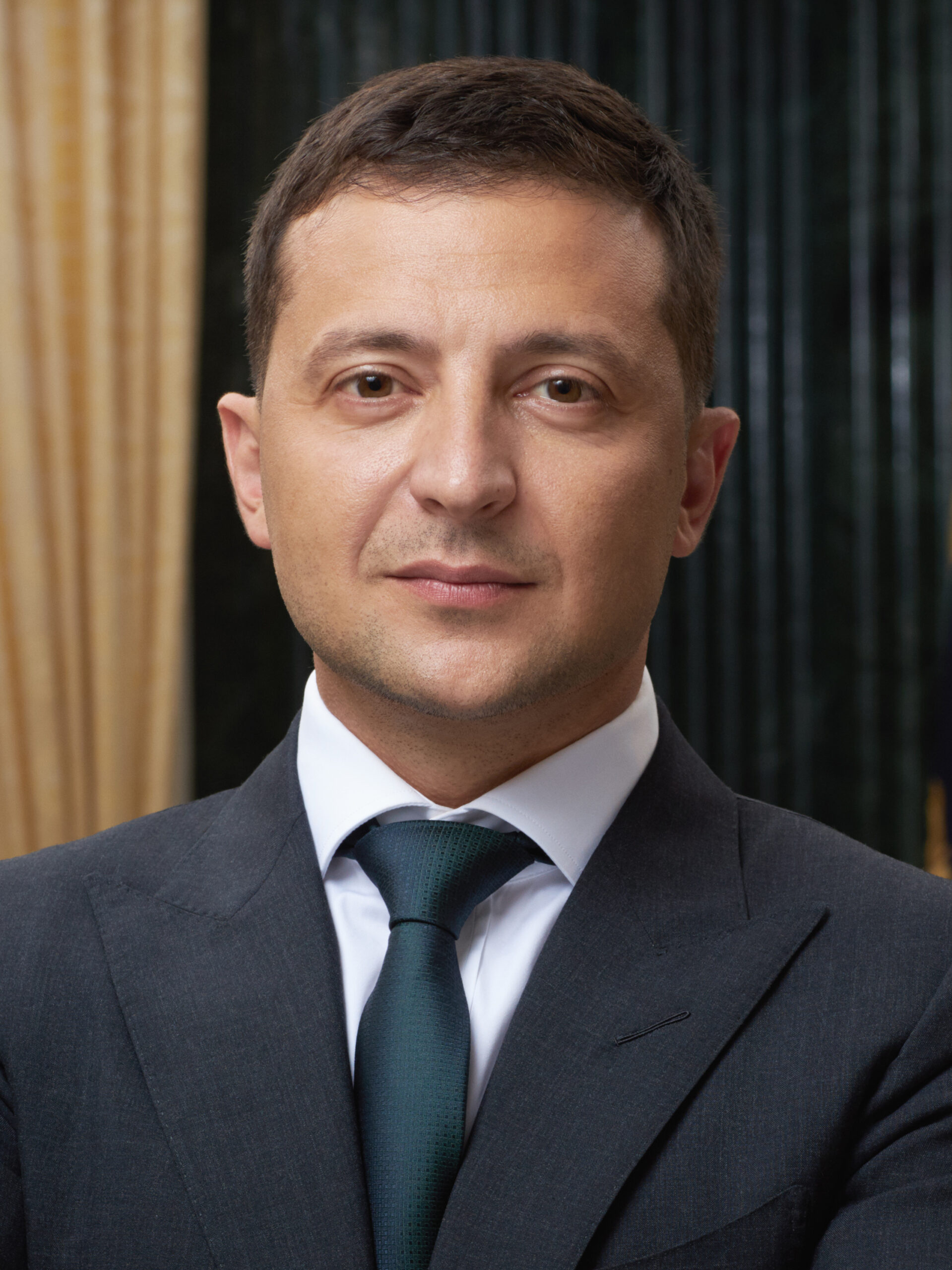
Labeling the former American president’s affectionate posture as deeply strange, the Ukrainian leader invoked the darkest chapter of European history to frame the current geopolitical stakes. Drawing a direct parallel to the totalitarian conflicts of the twentieth century, Zelensky cautioned that treating an aggressive autocrat as a reasonable negotiating partner represents a catastrophic misjudgment. He is an aggressor and a murderer, Zelensky told the BBC. It is the same as someone saying about Adolf Hitler during World War Two that he is a good friend. You cannot normalize an aggressor while his missiles destroy innocent cities.
“He is an aggressor and a murderer. It is the same as someone saying about Adolf Hitler during World War Two that he is a good friend. You cannot normalize an aggressor while his missiles destroy innocent cities.”
Volodymyr Zelensky, President of Ukraine
Civilian Infrastructure Under Coordinated Siege
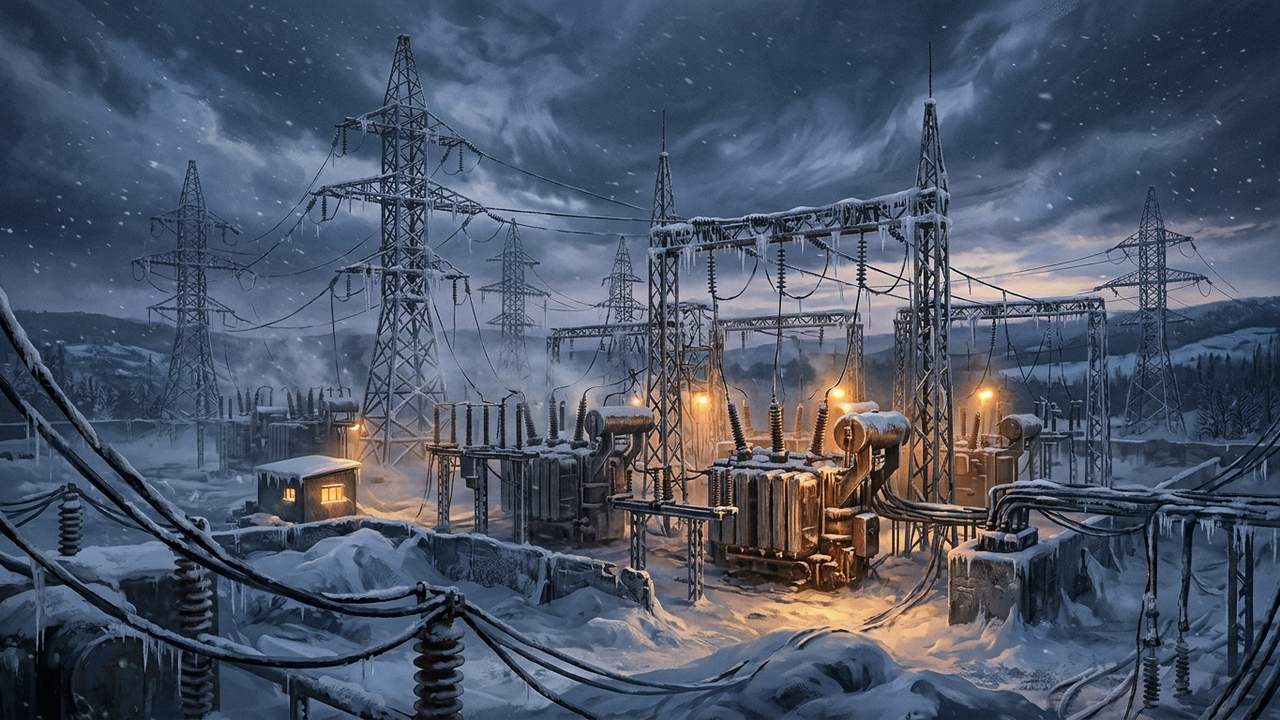
The interview unfolded under the shadow of a nationwide energy emergency. Over the past seventy-two hours, the Russian military unleashed one of its most expansive coordinated air assaults of the year, launching swarms of Shahed attack drones alongside Kinzhal aeroballistic missiles against Ukrainian civilian utilities. High-voltage transmission substations, hydroelectric reservoirs, and regional thermal generation plants were struck repeatedly from Kharkiv to Lviv.
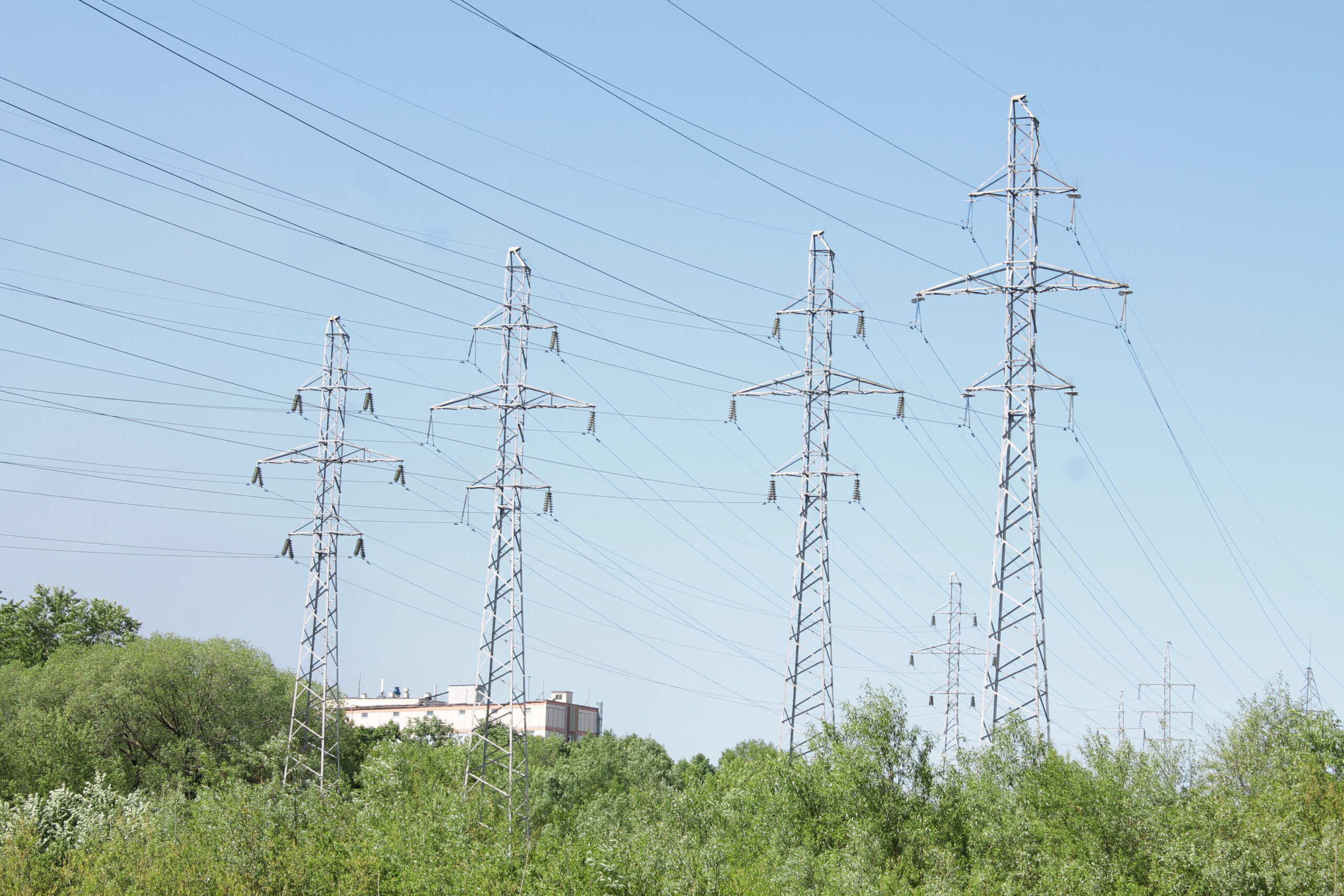
State energy operator Ukrenergo instituted emergency rolling blackouts affecting millions of residents. In urban centers where municipal heating systems rely on electric water pumps, apartment complexes have been left without warmth as outside temperatures plunge below freezing. Emergency utility crews work around the clock in near-freezing mud, attempting to bypass severed transformer yards with temporary mobile generators.
Zelensky delivered an urgent appeal to Western allies, warning that delivery bottlenecks for air defense munitions are directly responsible for the civilian suffering. While Ukrainian mobile interception teams successfully shoot down the majority of incoming drones, sophisticated ballistic missiles require specialized surface-to-air interceptors like the American-made Patriot and European SAMP/T systems. Ukrainian military command faces agonizing operational choices daily, forced to allocate scarce interceptor missiles between safeguarding frontline soldiers or protecting metropolitan power plants from annihilation.
Diplomatic Deadlock in the Gulf
Adding to Kyiv’s frustration is the stagnant pace of closed-door diplomatic discussions. Back-channel negotiations held in Abu Dhabi have failed to produce tangible breakthroughs, hampered by maximalist demands presented by Russian envoys. Moscow continues to insist on Ukrainian constitutional demilitarization and the formal surrender of occupied southern and eastern territories as non-negotiable preconditions for any ceasefire agreement.
Ukrainian officials view these conditions as an invitation to eventual state destruction rather than a framework for durable peace. Zelensky stressed that pausing hostilities without ironclad multilateral security guarantees would merely provide the Russian military with operational breathing space to reconstitute depleted armored formations and replenish missile stockpiles.
The Ukrainian leadership contends that appeasement only emboldens authoritarian regimes to project violence beyond regional borders. Moscow’s willingness to project military power abroad remains a central feature of its foreign policy, an operational reach documented when leaked military records revealed hundreds of Russian mercenaries killed during an ambush in Mali. For Ukrainian strategists, that persistent willingness to deploy military force globally proves that the Kremlin’s strategic ambitions will not subside through diplomatic concession.
Sanctions Enforcement and Technological Chokepoints
A central theme of Zelensky’s message was the necessity of rigorous international sanctions enforcement. Despite comprehensive trade embargoes imposed by Western capitals, forensic examinations of downed Russian cruise missiles continue to uncover Western microelectronics and precision machine components manufactured within the past eighteen months.
Kyiv has urged international partners to close third-party export loopholes and impose secondary penalties on foreign financial institutions facilitating dual-use technology transfers. The legal mechanisms required to police these evasive corporate networks mirror the criminal accountability demonstrated when a federal jury convicted Huawei Technologies of intellectual property theft and sanctions fraud in New York, proving that corporate entities skirting international trade restrictions can be systematically prosecuted when regulatory authorities demonstrate sustained resolve.
Closing these procurement pipelines is essential to degrading Russia’s domestic weapons factories, which continue to assemble long-range munitions at wartime capacity. Until third-country intermediaries face severe financial consequences for aiding the Russian defense sector, Moscow will retain the industrial capacity to terrorize Ukrainian airspace.
The Continental Energy Shock
The weaponization of civilian utilities in Ukraine directly reverberates across the broader European economic sphere. By systematically targeting Ukrainian electrical connections to the European grid, Moscow seeks to prevent Ukraine from importing emergency electricity from Poland, Slovakia, and Romania, increasing the strain on continental supplies.
This vulnerability mirrors the broader systemic fragility confronting European energy markets entering the winter heating season. The economic strain facing households across the continent was recently detailed in our analysis of how European utility bills faced a twenty-six percent surge following acute gas supply strains, highlighting how geopolitical disruptions ripple through consumer economies far beyond the immediate front lines. When energy becomes a weapon of war, domestic stability across the continent becomes intertwined with Ukrainian defensive resilience.
A Test of Democratic Resolve
As the interview concluded, Zelensky reaffirmed that Ukraine will continue to fight for its sovereign survival regardless of shifting political winds in Western capitals. Yet he reminded the international community that the war is not a localized regional dispute, but a referendum on the global rules-based order.
Permitting a nuclear-armed power to redraw sovereign borders through naked territorial conquest would establish a lethal blueprint for ambitious aggressors worldwide. For the millions of Ukrainian citizens enduring freezing darkness in Kyiv, Kharkiv, and Odesa, the test of Western leadership is measured not in polite diplomatic communiques or warm compliments exchanged between politicians, but in the rapid delivery of the air defense shields needed to keep the lights on and preserve human life.