















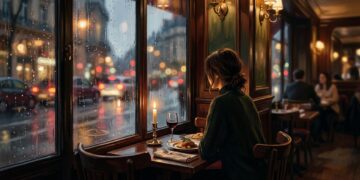




















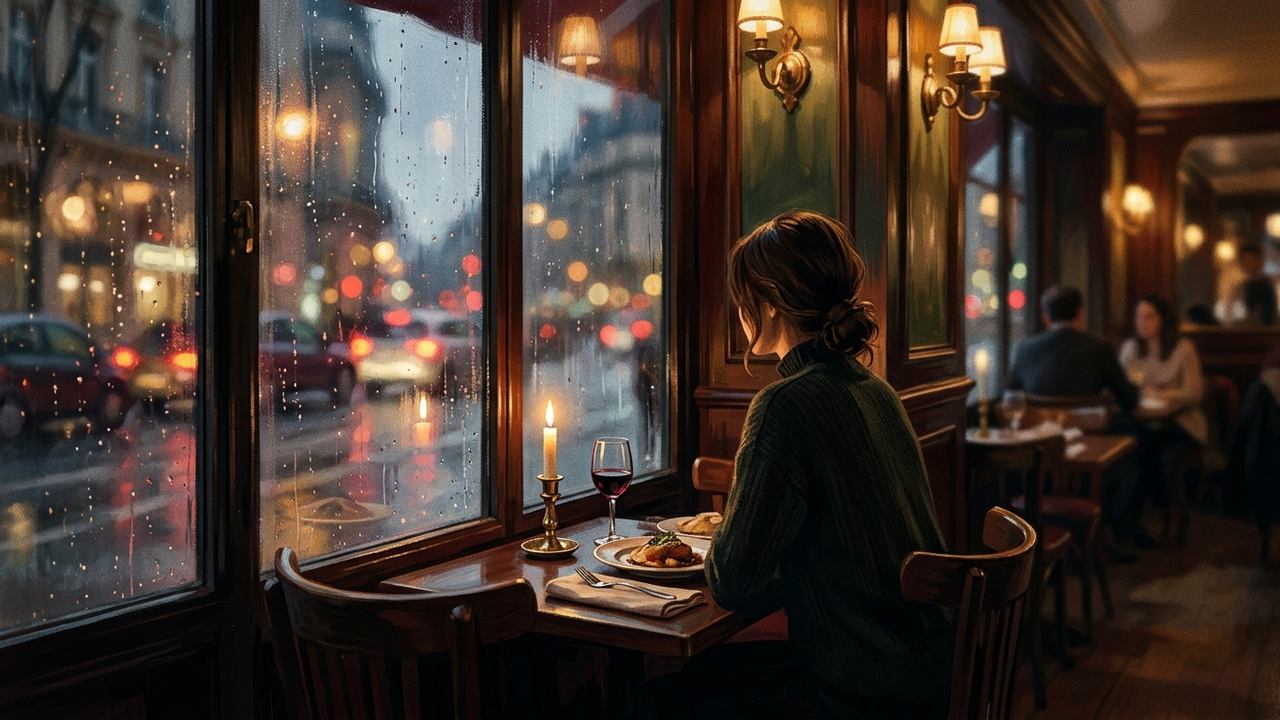
In the soft glow of a dimly lit neighborhood bistro in Manhattan on Friday evening, the bustling dinner rush was underway, yet the most sought-after seats told an unexpected story about modern life. Positioned along mahogany chef counters and tucked into quiet banquettes were individuals dining unaccompanied, savoring vintage wines, tasting multi-course menus, and reading paperback books without a companion in sight. While shopping malls and digital storefronts outside surrendered to the frantic commercial roar of Black Friday, these solitary patrons were engaging in a deliberate act of peaceful sanctuary.
Table for one, a phrase once uttered with an apologetic wince, has quietly transformed into the ultimate luxury reservation. According to recent hospitality analytics released by reservation platforms OpenTable and Resy, solo dining bookings surged by twenty-nine percent over the past twelve months. That increase reached its annual peak over the post-Thanksgiving weekend, as millions of urban dwellers opted out of chaotic consumer queues to treat themselves to unhurried, independent restaurant rituals.
From Social Stigma to Self-Care Sanctuary
For generations of restaurant-goers, eating alone in a formal dining establishment was burdened with an unfair social stigma. In popular culture, the solitary diner was frequently depicted as an object of pity: a stranded business traveler killing time, a lonely misfit, or someone recently abandoned by romantic company. Waitstaff historically relegated single customers to undesirable tables near kitchen swinging doors or drafty entranceways.
“Table for one has transformed into the ultimate luxury reservation. Booking a high-end dinner alone represents a conscious reclaiming of personal time, sensory presence, and emotional restoration.”
Hospitality & Consumer Trends Report
That archaic perception has been completely dismantled. Today, solo diners view the experience as an empowering discipline of self-care and emotional restoration. Rather than scrolling through discount alerts or managing exhausting social expectations, booking a high-end dinner alone represents a conscious reclaiming of personal time.
The appeal lies in complete autonomy. A solo diner never has to debate menu choices, compromise on restaurant cuisine, split complicated checks, or sustain performative small talk. Every aspect of the meal, from the pacing of wine pairings to the indulgence of ordering a second dessert, is tailored entirely to personal desire.
The contrast with traditional holiday domesticity is profound. While multi-generational Thanksgiving banquets often generate intense domestic friction, compounded whenever viral food scares and frantic kitchen panics disrupt holiday family preparations, a solo restaurant dinner offers friction-free serenity. The diner steps into a curated environment where professional hospitality staff attend to every sensory need, transforming eating into pure relaxation.
The Hospitality Industry Adapts
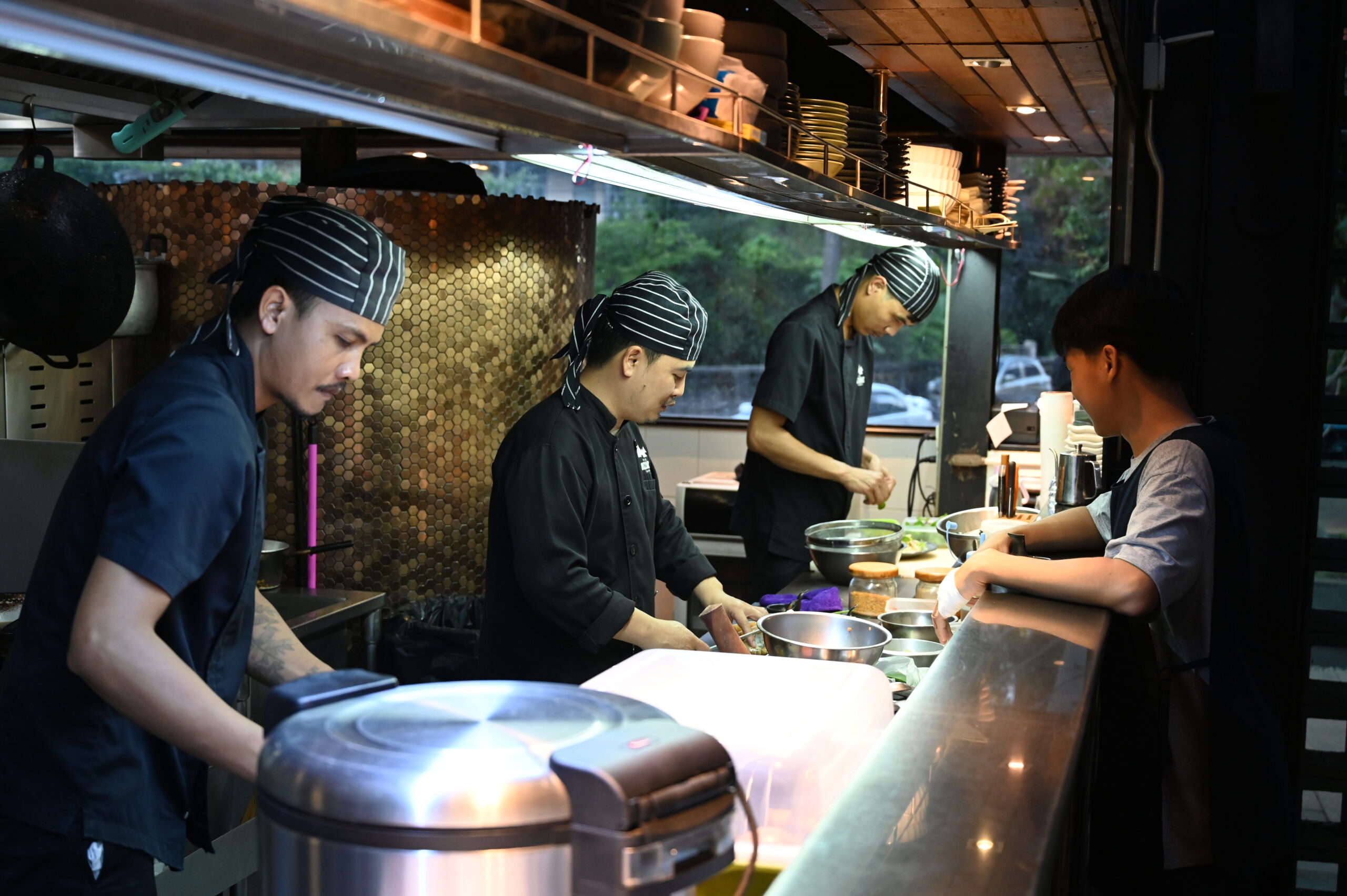
Recognizing the economic clout of this expanding demographic, progressive restaurateurs and award-winning chefs are actively restructuring their dining rooms to cater to single guests.
Where restaurants once prioritized large banquet booths and four-top configurations, contemporary design layouts increasingly feature expansive open kitchen counters. These chef bars provide front-row theatrical viewing of culinary craft, where solo diners can watch sauce reductions bubble, sourdough loaves crackle, and pasta sheets roll out under focused kitchen lighting.
Fine dining establishments have also revised their policies around tasting menus. Historically, Michelin-starred kitchens enforced strict minimum party sizes for complex tasting journeys, effectively shutting out single patrons. Today, premier establishments in London, New York, and Tokyo celebrate solo connoisseurs, praising them as their most attentive audience. Unencumbered by conversation, single guests taste with heightened sensory focus, appreciating subtle balance in acidity, texture, and plating architecture.
Hospitality managers emphasize that solo diners are among their most lucrative and dependable patrons. They arrive punctually, turn tables efficiently, tip generously, and frequently become loyal neighborhood regulars who sustain local businesses during mid-week shifts.
Solitude, Autonomy, and the Modern Urban Condition
The rise of solo dining is deeply intertwined with broader sociological transformations redefining modern metropolitan life. Across advanced economies, single-person households now represent historic highs, driven by delayed marriage, career mobility, and an increasing appreciation for personal independence.
This societal evolution mirrors the demographic patterns detailed in our investigative study on how younger generations renegotiate traditional relationship models and prioritize domestic autonomy, establishing daily routines where living and thriving alone is celebrated as a lifestyle choice. Choosing to sit alone in a public dining room is not an admission of isolation; it is a visible declaration of self-possession.
Sociologists note that modern urban professionals spend their workdays juggling endless video conference calls, collaborative messaging channels, and client demands. By evening, social energy is thoroughly depleted. The restaurant table becomes a transitional threshold between professional demands and domestic solitude, providing an uplifting public space where one can feel part of a vibrant communal atmosphere without being forced to perform.
Grounding the Senses in a Digital Age
Perhaps the most potent element of the solo dining renaissance is its role as an antidote to screen-induced sensory numbness. In an era dominated by algorithmic feeds, push notifications, and remote work fatigue, eating alone at a restaurant forces a healthy return to physical reality.
Many solo diners implement strict digital hygiene at the table, deliberately turning their phones face down in coat pockets. In doing so, the act of eating ceases to be mindless fuel consumption in front of a computer monitor. It becomes a tactile, sensory feast: inhaling the aroma of toasted peppercorns, listening to the ambient murmur of conversation, feeling the cold weight of silver cutlery, and savoring the temperature contrast of warm broth against crisp greens.
This visceral connection to physical reality provides a grounded emotional foundation that virtual substitutes cannot replicate. When modern society risks becoming trapped in artificial interactions, a hazard documented in our reporting on the psychological vulnerability of replacing human warmth with simulated artificial companions, the sensory authenticity of a well-cooked meal anchors the human spirit.
As holiday shopping frenzies push consumer culture toward exhaustion, the quiet beauty of a solitary dinner table shines as an inspiring alternative. Choosing to dine alone is a reminder that the most rewarding relationship one can cultivate is the one with oneself, celebrated one delicious bite at a time.