






































The British state faced an unprecedented operational emergency on Friday after a massive cyber disruption severed core digital systems across the Department for Work and Pensions (DWP). The blackout incapacitated transactional portals responsible for administering Universal Credit, State Pensions, and Personal Independence Payments (PIP), suddenly freezing disbursements to more than twenty million citizens. With sub-zero temperatures arriving across northern England and Scotland, ministers convened an extraordinary emergency session of Cabinet Office Briefing Room A (COBRA) inside Whitehall to manage potential civil disruption, while intelligence specialists investigate whether hostile state intelligence services orchestrated the breach.

The disruption began during the early morning processing cycle, when automated clearing systems designed to dispatch state disbursements failed to exchange ledger data with commercial high street banks. Within hours, administrative staff across regional job centers were locked out of identity verification databases and benefit calculators. Rather than a localized server fault, engineers detected irregular credential revocations and encrypted system files indicative of an intrusive network compromise.
“The systems that distribute pensions and support the vulnerable are no longer merely civil services; they are foundational pillars of national resilience that require the same defensive vigilance as defense installations and power grids.”
Whitehall Security Briefing
Senior civil servants quickly requested the immediate deployment of incident response teams from the National Cyber Security Centre (NCSC), the operational cyber defense arm of Government Communications Headquarters (GCHQ). Officials from both agencies arrived at DWP’s command facilities in London and Leeds to isolate core mainframes and analyze whether exfiltrated citizen records had been funneled to offshore command-and-control servers.
The Collapse of Civic Portals Ahead of Winter
The operational halt immediately reverberated through local government councils and charitable food networks nationwide. Millions of lower-income families, elderly pensioners, and disabled individuals rely upon scheduled Friday disbursements to cover grocery purchases, rent, and utility bills. When automated payments failed to settle into private bank accounts by midday, citizens inundated telephone helplines, causing regional telecom exchanges to crash under historic call volumes.
The timing could hardly be worse for vulnerable communities. As winter heating demands escalate, the sudden drying up of state support threatens immediate hardship, heightening distress at a moment when household budgets face severe strain from rising living costs and commercial insolvencies, highlighted by Poundland entering administration and placing thousands of jobs at risk right before the Christmas holidays. In response, municipal authorities established contingency food and warm-hub distribution centers, while high street banks implemented emergency overdraft tolerances for account holders whose direct deposits failed to clear.
Compounding the crisis, criminal phishing networks moved swiftly to exploit the informational vacuum. Fraud units identified thousands of coordinated SMS and email campaigns masquerading as emergency DWP relief services. These deceptive communications urged recipients to input banking credentials into fraudulent recovery portals under the pretext of claiming lost welfare transfers, forcing the National Crime Agency (NCA) to launch public safety warnings alongside the technical investigation.
How We Got Here: Centralization and Accumulated Technical Debt
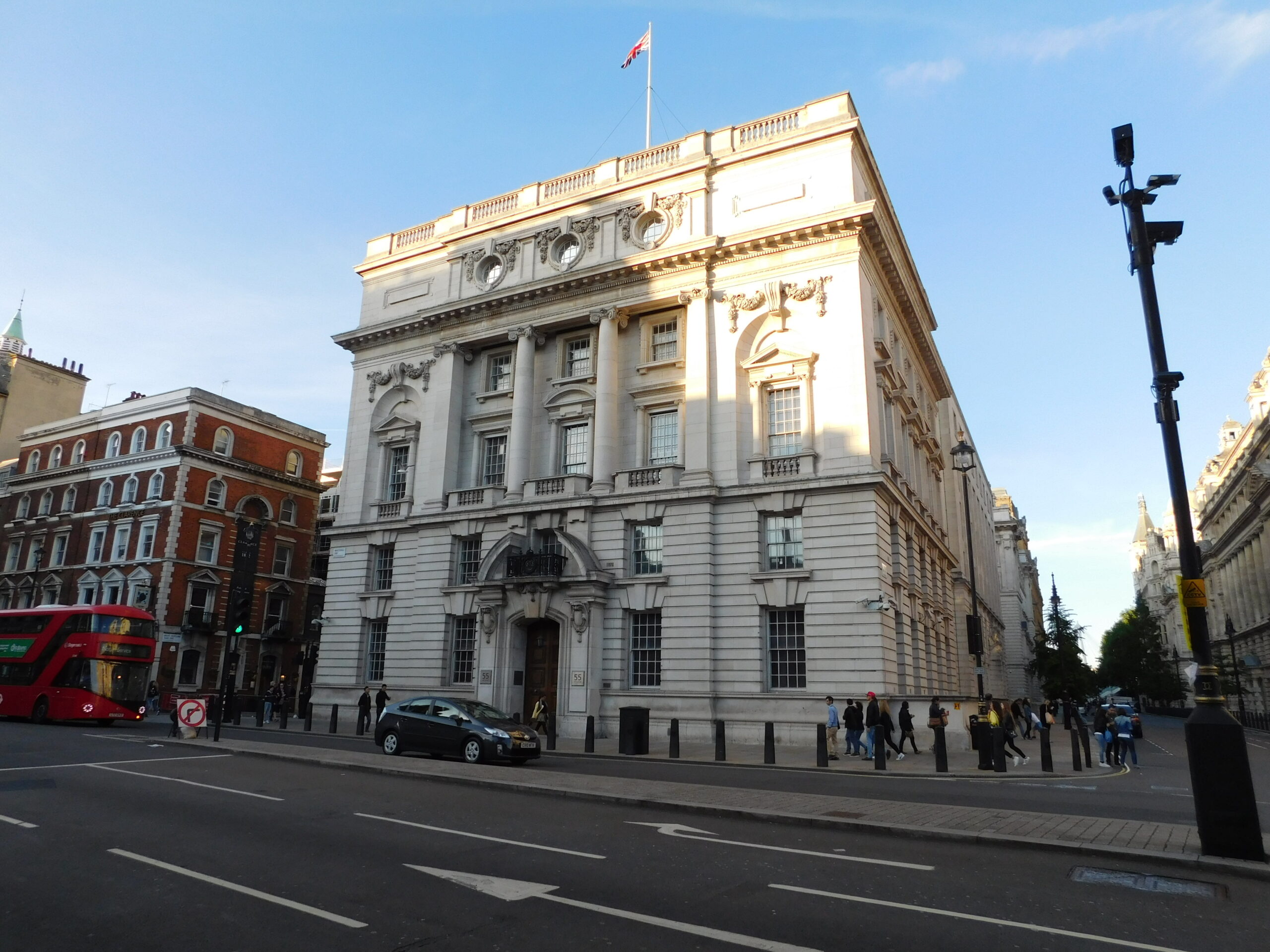
The vulnerabilities exposed by Friday’s incident reflect years of structural choices in British public administration. Over the past decade, successive governments prioritized the comprehensive digitization of public services, consolidating fragmented legacy programs into centralized online portals. While this transformation delivered administrative savings and accelerated standard claim processing, it concentrated vast societal risk into single digital chokepoints.
Between 2013 and 2022, the transition to Universal Credit merged six separate legacy benefits into one unified digital system. That transition required interfacing contemporary cloud services with decades-old mainframe databases, creating complex architectural dependencies. Security audits repeatedly cautioned that legacy codebases harbored unpatched vulnerabilities and that external contractors held privileged administrative access tokens that lacked continuous zero-trust validation.
The current blackout also mirrors an expanding pattern of asymmetric pressure against Western civil services. Modern critical infrastructure is increasingly targeted by state-sponsored cyber warfare groups seeking to sow public demoralization without crossing the threshold of direct armed conflict. Analysts point to hybrid strikes targeting essential civic networks across the continent, echoed in recent warnings surrounding Russian attacks on European public utilities and energy grids, which demonstrated how disruptive electronic strikes against administrative networks can paralyze basic societal functions during harsh winter weather.
By noon on Friday, intelligence analysts warned ministers that the DWP intrusion bore tradecraft markers consistent with advanced persistent threat (APT) groups operating out of Eastern Europe and East Asia. Investigators are scrutinizing whether intruders exploited unpatched enterprise remote-access software or compromised third-party suppliers who maintain outsourced database components.
National Security Assessment and the COBRA Response
Inside Whitehall, the atmosphere remained grim as ministers assembled for the COBRA emergency session chaired by the Chancellor of the Duchy of Lancaster. Cabinet members reviewed contingency options, including emergency physical cash deliveries through the Post Office branch network and manual ledger reconciliation by military administrative personnel. However, because contemporary welfare verification relies entirely on digital databases, verifying eligibility manually for millions of claimants presents staggering logistical barriers.
A primary concern within the national security establishment is the potential theft of sensitive personal data. The DWP’s repository holds detailed demographic records, national insurance numbers, banking particulars, and medical histories for almost the entire adult population of the United Kingdom. If hostile foreign adversaries have gained access to this archive, the material could provide unprecedented leverage for long-term intelligence operations, synthetic identity fabrication, and targeted coercion against government personnel.
Security officials emphasized that such systematic electronic reconnaissance aligns with broader patterns identified in high-profile legal actions targeting foreign state surveillance, including the federal prosecution exposing state-directed technology espionage operations, where strategic digital access was systematically leveraged against commercial and state targets over multiple decades.
In a formal statement to the House of Commons, government spokespersons confirmed that forensic specialists were conducting sector-by-sector system reviews. While authorities refused to officially attribute the attack to a specific foreign capital, parliamentary intelligence committee leaders openly discussed the deployment of defensive counter-measures should attribution identify a hostile state sponsor.
Systemic Fragility and the Imperative for Resilience
The crisis at the Department for Work and Pensions illustrates the perils of building digital-first civic infrastructure without preserving redundant offline channels. When state administrations dismantle physical paper records and regional cash disbursal offices in the name of efficiency, they eliminate the fail-safe buffers that historically allowed societies to endure systemic disruptions.
Restoring the full operational integrity of the national benefits system will require days, if not weeks, of meticulous validation. Cybersecurity specialists must clean contaminated server clusters, revoke compromised cryptographic keys, and ensure that malicious persistence mechanisms are entirely purged before returning financial disbursement engines online. In the interim, emergency bridging payments remain the only defense preventing widespread destitution across affected communities.
The events in London provide an urgent lesson for governments worldwide. As public governance transitions into an era of automated, interconnected networks, the boundary between everyday administrative operations and national defense has vanished. The systems that distribute pensions and support the disabled are no longer merely civil services; they are foundational pillars of national resilience that require the same defensive vigilance as defense installations and power grids.