






































Ten years have passed since a dark, rain-soaked mountainside in Cerro Gordo, Colombia, silenced one of the most enchanting Cinderella stories in sporting history. On November 28, 2016, LaMia Flight 2933 ran out of aviation fuel on its approach to José María Córdova International Airport near Medellín, crashing into the rugged terrain of the Antioquia highlands. Aboard were seventy-seven souls: the players, coaching staff, and directors of Associação Chapecoense de Futebol, alongside twenty-one Brazilian sports journalists and a flight crew. Seventy-one people perished in the wreckage, abruptly extinguishing an entire generation of athletes on the threshold of their greatest triumph.
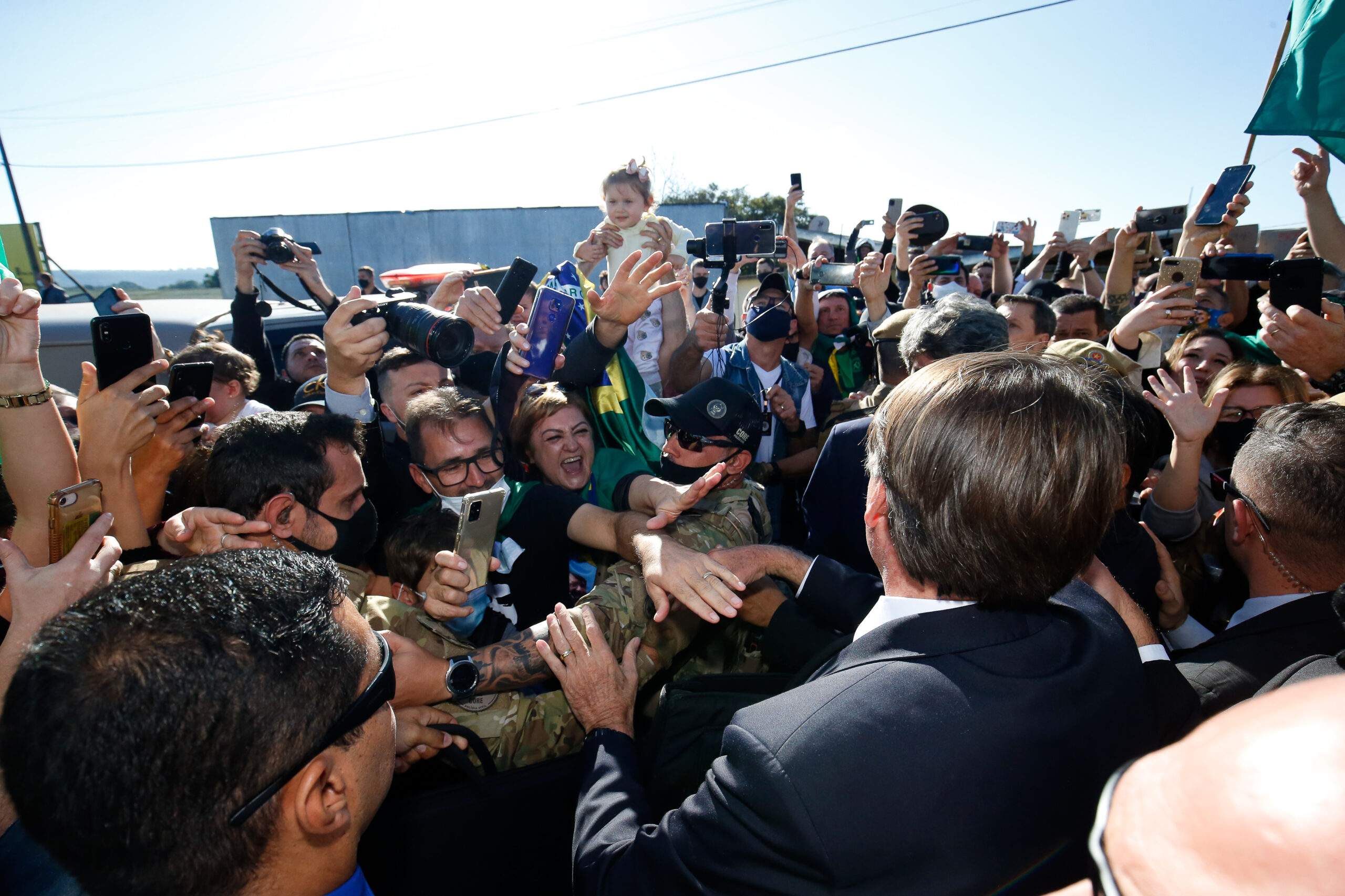
A decade later, stadiums across South America and Europe fell silent on Friday as the global football community united in solemn commemoration. In Chapecó, a modest agricultural hub nestled in western Santa Catarina, church bells pealed across the city while thousands of supporters gathered at Arena Condá. Clad in emerald green and white, supporters stood shoulder to shoulder with the families of the fallen, lighting candles, singing club anthems, and remembering the humble squad that united a fractured nation in shared heartbreak.
“They are remembered not merely as victims of a devastating aviation catastrophe, but as eternal champions who reminded a cynical world of the pure joy, humility, and fraternity that can exist within sports.”
Arena Condá Memorial Address
The passage of ten years has softened none of the emotional resonance surrounding the tragedy. Chapecoense was not a glamorous powerhouse backed by billionaires or state investment funds; it was a gritty, community-rooted collective that had climbed from Brazil’s fourth tier to the final of the Copa Sudamericana in just seven years. The sudden, avoidable destruction of that dream transformed a regional club into a permanent global symbol of grief, human solidarity, and the fragile nature of athletic mortality.
An Unprecedented Gesture of Continental Brotherhood
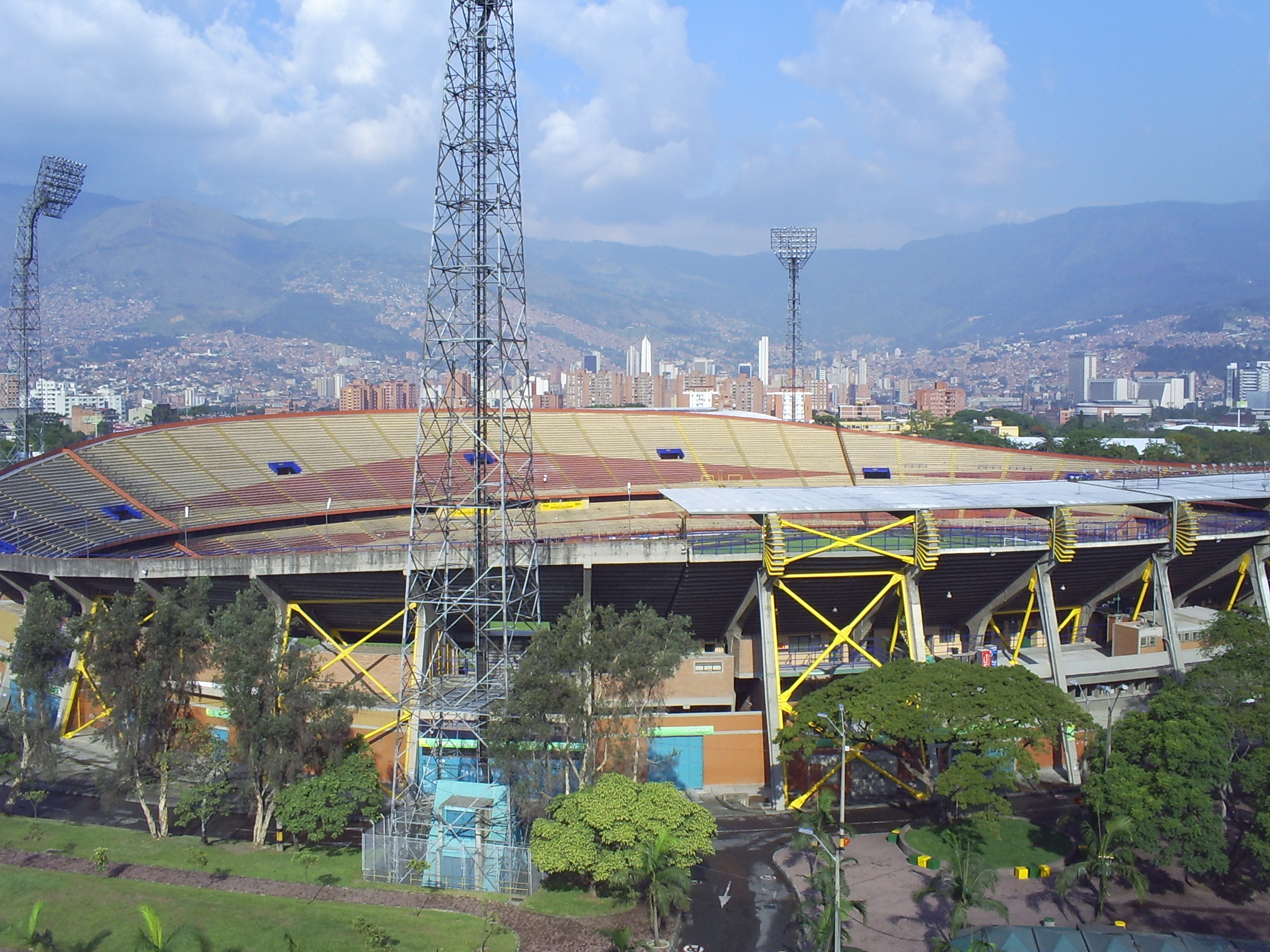
The tragedy in the Colombian mountains gave rise to what remains the most noble act of sporting sportsmanship in the modern era. Chapecoense had been traveling to contest the first leg of the 2016 Copa Sudamericana final against Colombian giants Atlético Nacional. On the evening the match was scheduled to take place, over forty-five thousand Colombian supporters filled the Estadio Atanasio Girardot in Medellín dressed in white, holding white candles and chanting the name of their fallen opponents while hundreds of thousands more spilled into surrounding streets.
Atlético Nacional’s management took an extraordinary step: they formally petitioned the South American Football Confederation (CONMEBOL) to award the continental title, along with the winner’s trophy and prize money, to Chapecoense. That spirit echoed the communal passion that defines major European cup showdowns and international football nights, where athletic rivalry dissolves into shared cultural reverence. CONMEBOL honored the request, creating an enduring bond of brotherhood between the citizens of Medellín and Chapecó that remains unbroken ten years on.
Such moments evoke the quiet humility that transcends competition, reminiscent of profound reflections on human fragility and athletic departure in premier motorsport, proving that dignity and brotherhood endure long after scores fade. When fierce athletic rivalries yield to profound shared humanity, sport transcends the boundaries of competition and fulfills its highest cultural and moral purpose, uniting nations in communal empathy.
The Survivors and the Agony of Survival
Amid the devastation, six individuals miraculously survived the freezing mountain wreckage: three footballers, two crew members, and one journalist. Their subsequent paths through physical rehabilitation and existential recovery captured global admiration. Fullback Alan Ruschel underwent complex spinal reconstructive surgery, defied medical odds to return to competitive football, and eventually captained Chapecoense back to Brazil’s top flight in 2020. Goalkeeper Jakson Follmann, who suffered the amputation of his right leg, transitioned into an inspiring motivational speaker, television commentator, and Paralympic ambassador. Central defender Hélio Hermito Zampier Neto survived hours pinned beneath the aircraft fuselage, emerging as a spiritual guide for the grieving community after severe trauma forced his eventual retirement from play.
Yet survival brought its own quiet anguish. Radio commentator Rafael Henzel, who survived the impact with severe chest trauma, dedicated his remaining years to chronicling the memory of his fallen colleagues before suffering a fatal heart attack during a recreational football match in 2019. The physical and emotional scars borne by the survivors serve as an enduring, living link to that tragic November evening, embodying both extraordinary human resilience and the silent, lifelong burden of survivor’s grief that time can never entirely erase.
How We Got Here: From Miracle Ascent to Systemic Negligence
To understand the depth of grief in Chapecó, one must recall the club’s meteoric rise. Founded in 1973, Chapecoense languished in obscurity for decades, facing bankruptcy in the mid-2000s. Through prudent fiscal governance, local commercial sponsorships, and exceptional player recruitment, the club achieved consecutive domestic promotions, rising from Serie D in 2009 to Serie A in 2014.
Their 2016 continental campaign was nothing short of miraculous. Led by charismatic manager Caio Júnior, the squad eliminated storied Argentine clubs Independiente and San Lorenzo with resolute defense and spirited collective counter-attacks. The fairytale ascent of the small-town club captured global imagination, embodying the same romantic drama celebrated in continental tournaments where underdog franchises battle for athletic glory, reminding sports fans why continental competitions captivate the soul.
That joy was shattered by preventable corporate malpractice. Formal accident investigations conducted by Colombian civil aviation authorities determined that the British Aerospace 146 aircraft operated by charter company LaMia departed Santa Cruz de la Sierra in Bolivia without sufficient fuel reserves required by international flight regulations. The flight crew attempted to bypass a mandatory refueling stop in Cobija or Bogotá to save costs, concealing their critical low-fuel status from air traffic controllers until electrical failure initiated the fatal plunge.
The Unfinished Fight for Justice and the Living Memorial
While footballing institutions offered heartfelt tributes, the aftermath of the crash exposed painful institutional failures. For ten years, the Association of Families and Friends of the Victims of the Chapecoense Flight (AFAVITA) has waged an exhausting legal battle across international courts. Decedents’ families have confronted opaque corporate structures, insolvent charter operators, and international insurers that disputed full liability claims.
Widows, orphaned children, and elderly parents have frequently borne financial strain alongside their grief, traveling to Brasília, London, and Miami to demand full transparency and equitable compensation. For these families, true remembrance cannot consist solely of annual ceremonies and stadium applause; it requires systemic legal accountability and rigorous enforcement of aviation safety protocols for athletic charters.
As commemorative banners unfurled across stadiums in South America on Friday, the enduring legacy of the 2016 Chapecoense squad was unmistakable. They are remembered not merely as victims of a devastating aviation catastrophe, but as eternal champions who reminded a cynical world of the pure joy, humility, and fraternity that can exist within sports. A decade after their voices went silent above the Andes, their memory remains etched forever in the collective heart of global football.