


































The Irish cultural community and television audiences across the British Isles were plunged into profound mourning on Friday following the sudden death of actor, broadcaster, and stand-up comedian PJ Gallagher at the age of fifty-one. Known for his uproarious physical comedy, biting Dublin wit, and remarkable honesty regarding personal vulnerability, Gallagher represented one of the most recognizable and cherished figures in contemporary Irish entertainment. His passing prompted an extraordinary outpouring of tributes from fellow performers, civic leaders, and ordinary citizens who felt an intimate bond with a man who had made them laugh and reflected their struggles for over two decades.
Gallagher achieved national prominence in the early 2000s through the hidden-camera comedy show Naked Camera, where his irreverent character creations became permanent fixtures of Irish pop culture. Later, he earned international acclaim and critical respect for his performance as the volatile, well-meaning school principal Barry Walsh in the award-winning television and film franchise The Young Offenders. Beyond his comedic gifts on stage and television, Gallagher transformed public conversation in Ireland by speaking candidly about clinical depression and psychiatric hospitalization, helping dismantle deeply entrenched stigmas surrounding men’s mental health.
“PJ Gallagher was a gifted artist who brought joy and laughter to countless people across our country. Equally profound was his immense courage in speaking openly about his mental health, an act of civic generosity that helped alter public perceptions across Ireland.”
Michael D. Higgins, President of Ireland
Official confirmation of his death on Friday morning led to immediate tributes across broadcasting networks. Broadcaster RTÉ revised its weekend programming schedule to celebrate his creative output, while Radio Nova, where Gallagher co-hosted the flagship morning radio show Morning Glory, replaced regular broadcasting with listener commemorations and heartfelt remembrances from colleagues who struggled to process the unexpected loss of their daily companion.
From North Dublin Streets to Hidden Camera Sensation
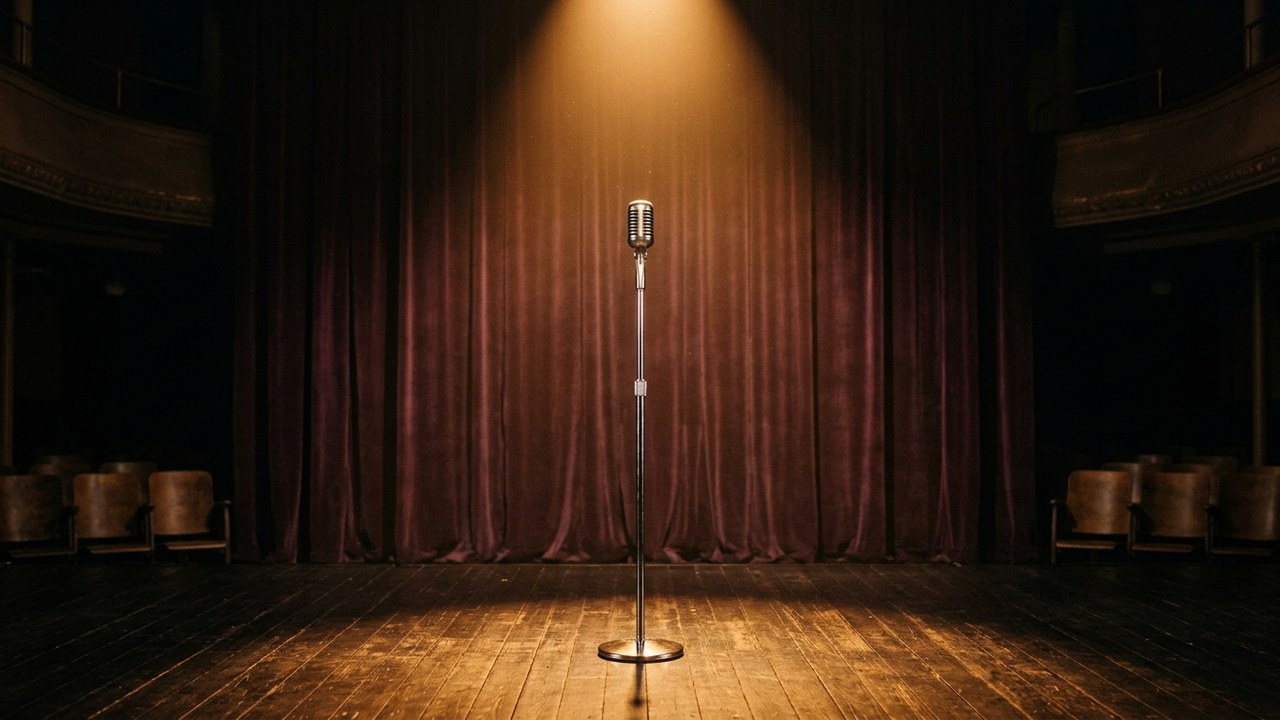
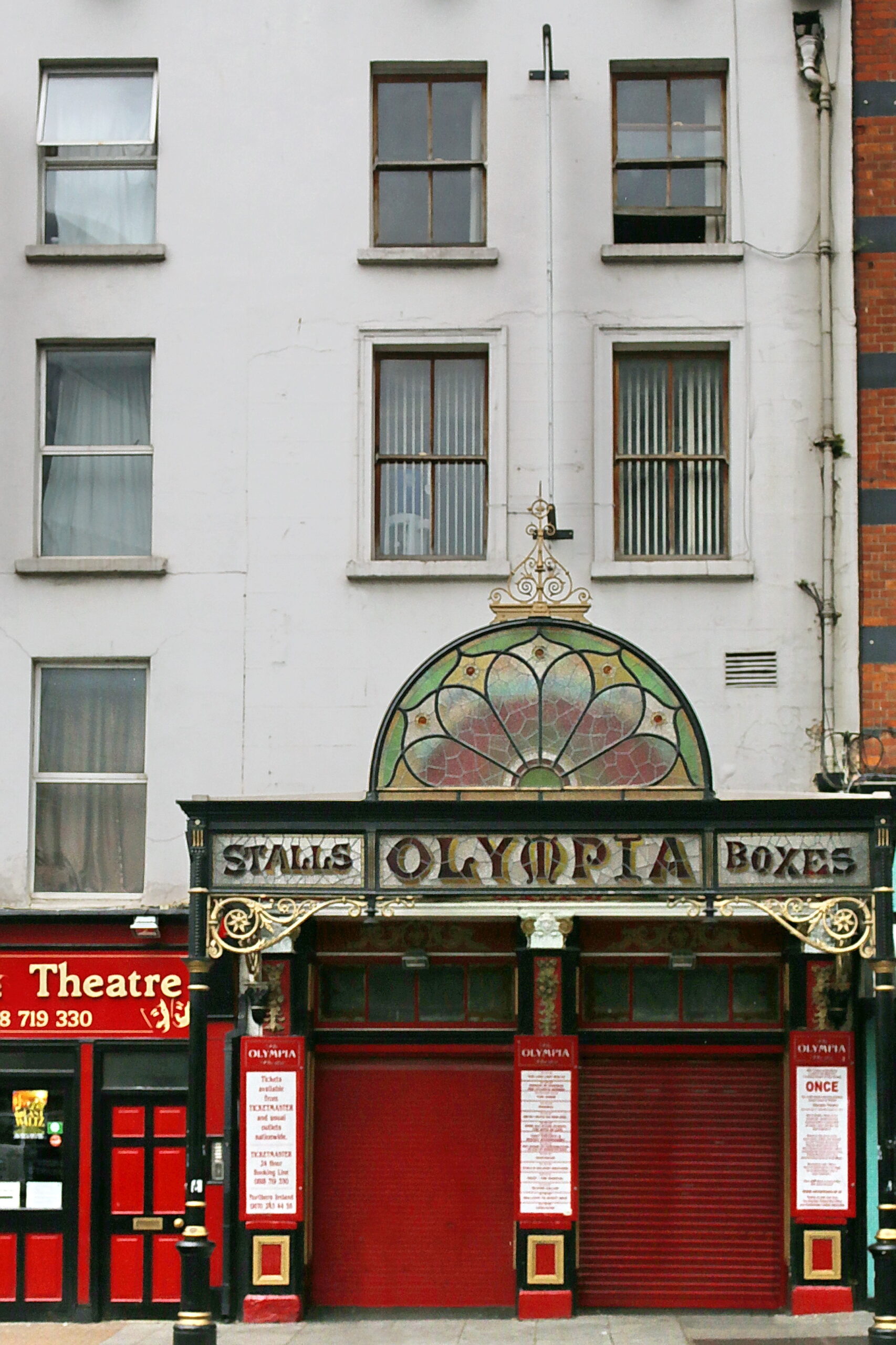
Born in Dublin in April 1975, Patrick Gallagher grew up in the working-class suburb of Clontarf and attended St. Paul’s College in Raheny. Drawn to the emerging Dublin stand-up circuit during the late 1990s, he developed an energetic, highly physical style that drew directly from the rhythms and absurdities of working-class street life. He performed tirelessly at small comedy clubs across the country, eventually graduating to premier venues such as Dublin’s Vicar Street and the Olympia Theatre.
His major breakthrough arrived in 2005 with the premiere of Naked Camera on RTÉ Two. The series became a runaway commercial sensation, drawing unprecedented ratings for contemporary Irish comedy. Gallagher demonstrated remarkable comedic timing in public improvisations, assuming outrageous guises that tested the patience and good humor of everyday citizens. Characters such as Jake Stevens, an unhinged, tracksuit-clad opportunist, and the whistle-blowing parking inspector entered the national lexicon, quotable lines echoing through schoolyards, construction sites, and corporate offices across the country.
The sudden loss mirrors the profound emotional grief that swept the artistic community following the passing of Duran Duran guitarist Andy Taylor and the wave of cultural tributes, reminding audiences how deeply connected public lives become to everyday listeners. Gallagher possessed that rare ability to connect across social divides, making people feel that the man on the screen was simply an old neighbor from down the street.
Barry Walsh and the Warmth of The Young Offenders
While many sketch performers find themselves permanently trapped within their early caricatures, Gallagher successfully transitioned into narrative comedy and drama. In 2016, director Peter Foott cast him in the indie comedy feature The Young Offenders. When the film expanded into a smash television series co-produced by BBC Three and RTÉ, Gallagher took on the role of Barry Walsh, the perennially exasperated, motorcycle-riding secondary school principal.
Portraying an authority figure constantly tormented by the delinquent antics of teenage protagonists Conor and Jock, Gallagher infused the character with profound emotional depth beneath a veneer of explosive frustration. Critics widely noted that Barry Walsh was never a cartoonish antagonist; rather, Gallagher portrayed a fundamentally decent educator who cared intensely about the wayward youths under his supervision. The series achieved massive ratings across both the United Kingdom and Ireland, introducing his comedic timing to millions of global viewers via streaming platforms.
His distinctive voice resonated with an authenticity that defies synthetic reproduction, a quality central to current debates regarding the ethical preservation of iconic broadcasting voices in digital entertainment, where raw human connection remains irreplaceable. On radio, his presence was equally immediate. Partnering with broadcaster Jim McCabe on Radio Nova, Gallagher greeted early-morning commuters with unvarnished humor, self-deprecating banter, and spontaneous observations that turned morning radio into a communal gathering.
The Courage of Vulnerability and Mental Health Advocacy
Perhaps the most enduring facet of Gallagher’s public life was his decision to speak publicly about his severe battles with clinical depression. In 2022, he revealed that he had spent eleven weeks hospitalized at St. Patrick’s University Hospital in Dublin after suffering a major mental health crisis. Rather than hiding the ordeal, he used his high public profile to describe the reality of psychiatric recovery, chronic suicidal ideation, and the life-saving support of professional clinical treatment.
His 2023 memoir, Mad House, detailed his complex childhood, adoption, late ADHD diagnosis, and journey through psychiatric care with extraordinary humor and raw honesty. The book became an instant bestseller, earning widespread admiration for its refusal to romanticize suffering while offering practical hope to those facing emotional despair. He frequently addressed youth gatherings, sports clubs, and workplace conferences, urging men to break their silence and seek professional help.
In a media environment increasingly diluted by automated and synthetic productions, where platforms face backlash leading to streaming purges of millions of synthetic tracks to defend creative authenticity, Gallagher’s unpolished honesty and vulnerability stood out as genuine art. His openness saved lives, creating a permission structure for thousands of people across Ireland to discuss their mental health without fear of shame or judgment.
How We Got Here: The Evolution of Modern Irish Humor
Gallagher’s career mirrored a transformative period in Irish cultural expression. In the late twentieth century, Irish comedy was often characterized either by folksy storytelling or by bitter satire aimed at church and state institutions. Gallagher and his contemporaries helped forge a modern comic identity: urban, self-aware, emotionally grounded, and unafraid to examine psychological vulnerability.
Throughout his rise, he retained an unpretentious love for ordinary hobbies, particularly his lifelong passion for motorcycling. He participated regularly in charity motorcycle runs across the island, raising hundreds of thousands of euros for hospices and animal rescue centers. Friends and fellow performers remembered him not as a celebrity seeking attention, but as a generous colleague who took time to mentor emerging stand-up comics and support local charities without publicity.
In a poignant statement issued on Friday, President Michael D. Higgins paid tribute to Gallagher’s unique place in the national fabric: “PJ Gallagher was a gifted artist who brought joy and laughter to countless people across our country. In his comedy, he celebrated the richness and idiosyncrasies of daily life with extraordinary warmth. Equally profound was his immense courage in speaking openly about his mental health, an act of civic generosity that helped alter public perceptions across Ireland.”
As darkness fell over Dublin on Friday, comedy clubs across the city paused their sets to offer standing ovations in his memory. PJ Gallagher left behind an indelible body of work that proved laughter and vulnerability are not opposing forces, but essential companions in the human journey.